As the need for AI skills increases globally, relying on traditional recruitment methods and automated screening is no longer useful for many organisations.
Companies across the EU added more than 256k AI-related roles on LinkedIn between 2023-2026, according to a report by the professional networking platform. UK-based companies accounted for around 95k of these.
To meet this demand, companies are increasingly forced to look beyond their local talent pools and towards international remote hiring.
“There’s already a general shortage of talent but AI amplifies this,” says Felix Steffens, CEO of HR and employment management platform WorkMotion. “The talent available locally may lack the specific AI skills that you need. It reinforces the need for companies to hire remotely.”
But international hiring brings with it a new challenge: an increase in AI-generated job applications, making it harder for hiring managers to separate qualified candidates from those who aren’t.
According to Statista, over 60% of job seekers in the UK and the US now use AI tools during the application process.
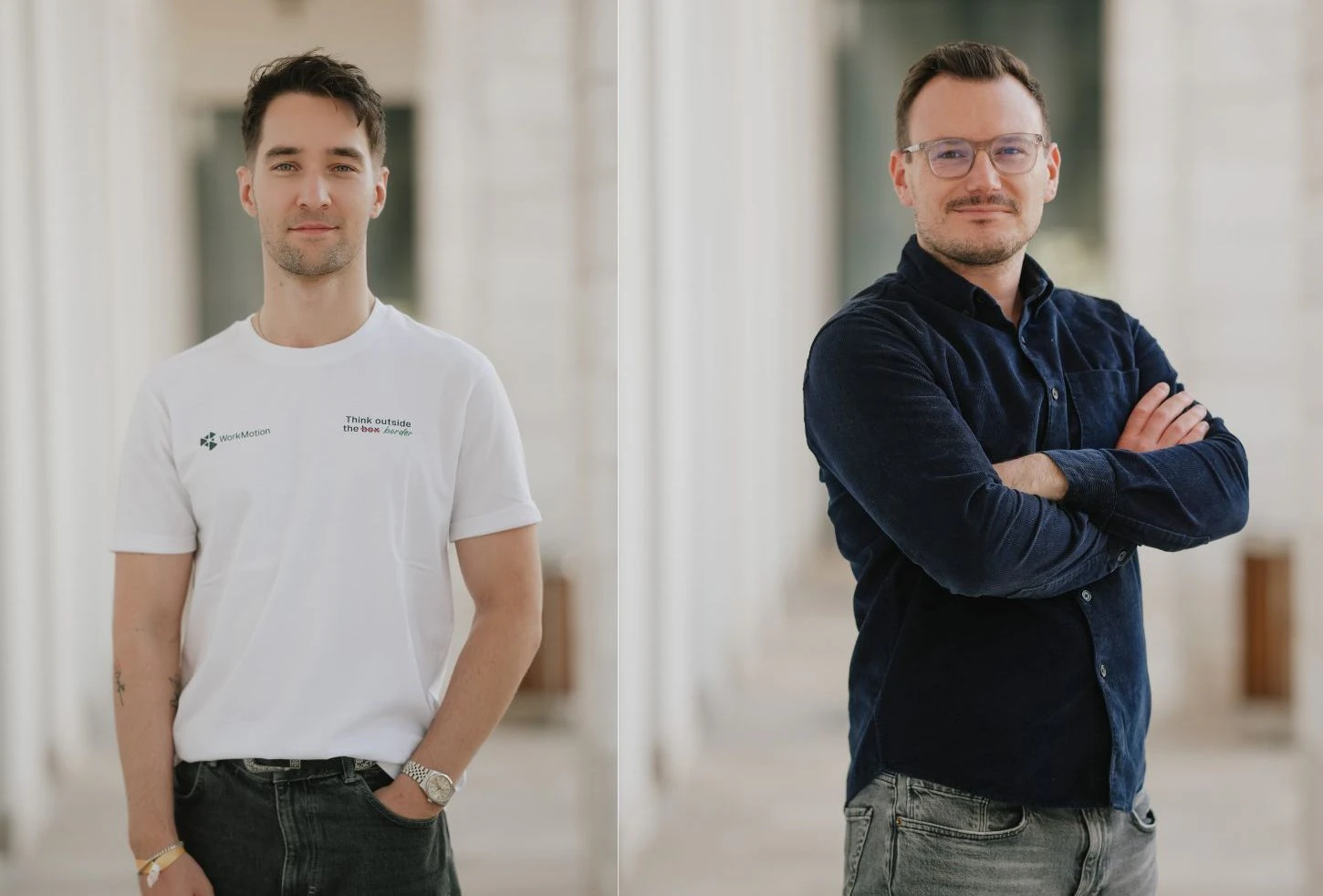
Steffens and Constantin Michel, founder of recruitment platform Synmatch AI, sat down with Sifted to unpack how organisations can find top AI talent by hiring across borders, and how using tailored AI screening platforms can assist in filling specialist roles more effectively.
AI-optimised CVs are replacing standard screening
Applicant Tracking Systems (ATS) are often the primary tools organisations use for hiring. These systems scan CVs for keyword matches, skills and specific industry terminology.
But hiring for AI specialist roles has made these difficult to use, says Michel. Those who have AI skills are naturally the first to use AI tools in their application.
“You often can't tell a strong candidate from a weak one; everyone looks great on paper,” he says. "All that does is push the work downstream onto hiring managers, who burn hours trying to validate whether the claims on a CV are even true."
There’s already a general shortage of talent but AI amplifies this.
ATS platforms evaluate a list of claimed ‘skills’ rather than demonstrated competency. For AI roles, having a certain skill is not about knowing specific buzzwords but about understanding how to build and execute a tech stack.
"Instead of asking someone to list a tech stack on a document, companies should get candidates to walk through what stack they’ve made, how they made it and the decisions they took along the way,” says Michel.
“That's very hard to fake. If the keyword is just sitting on your CV, that falls apart in about 30 seconds,” he adds.
Recruitment systems that are tailored to recognise AI and use the technology to determine suitable candidates are far more effective than traditional screening methods, Michel advises.
Synmatch AI and global talent
Synmatch AI uses AI to prescreen applicants based on career experience, desired salary range, preferred hiring region, language proficiency, skills and interview performance, says Michel, who helped to develop the platform.
The system conducts an initial AI interview with candidates, followed by review from a hiring manager who will shortlist candidates who best match the job requirements. Platforms such as these can support hiring managers with recruiting across borders.
When looking for AI talent, many organisations focus on established ecosystems like Silicon Valley, New York, London or Berlin, says Steffens. When talent pools in these markets dry up, companies will need to be willing to hire international employees.
“You can find good talent anywhere,” he says. “But we’ve seen specific AI talent in Southern Europe, for example, but also in Egypt. Places people might not look to immediately.”
I would bet on people that are enthusiastic about learning.
This geographic shift also requires hiring managers to re-evaluate how they view potential hires, Steffens adds.
“In the US, for example, companies might want software engineers who have previously worked at Meta. But if you hire talent in other regions, there's a chance the software engineer is equally as talented, if not more talented — they just haven't worked at Meta yet.”
When recruiting outside of familiar territories, standard CVs can often be misunderstood.
“In markets you're familiar with, you know what signals to pick up on a CV,” says Steffens. “You know reputable universities and employers. But with unfamiliar markets, you don't know these things.
To overcome these hurdles, Synmatch AI enforces anonymisation through its vetting process. “We strip out anything that could bias the evaluation, such as names, birthdays, anything that reveals ethnicity,” says Michel.
“What the hiring manager sees is the content and the quality of the interview transcript. That's how you make sure someone coming from a non-traditional path gets judged on capability and nothing else.”
Hiring in a remote-first era
Evaluating a candidate based on past experience alone often fails to capture their ability to succeed in a role.
“AI skills adapt and change every few months, so measuring purely what someone knows is not enough,” says Michel.
The goal is to evaluate how an AI specialist adapts and approaches unfamiliar problems in real time.
“For some roles that could be a live coding task, for others it's problem-solving tasks alongside the interview,” adds Michel. “You test how someone thinks and adapts — not just what they happen to know on the day of the interview.”
When companies expand their hiring remit across borders, they must also adapt for remote teams.
“You need people that are comfortable with async communication and do not require live meetings all the time,” says Steffens.
“You need people comfortable managing their own workload. In a remote environment, the only thing that matters is output — the number of hours you work becomes less relevant. Nobody will be checking whether you're online or sitting at your desk.”
Companies should get candidates to walk through what stack they’ve made.
Companies also need to integrate AI education permanently across the workforce, not just as an onboarding task.
“I wouldn't bet on hiring people that are good at just one specific thing, because that might not be relevant in a year from now. I would bet on people that are enthusiastic about learning.
“You have to make learning — especially in relation to AI — a core piece of your company's agenda.”