When the European tech world discusses mobility, the conversation is often dominated by electric vehicles and ride-hailing apps.
But for many parts of Central and Eastern Europe (CEE), the reality looks very different. Everyday drivers are often forced to use their cash savings to buy vehicles outright because traditional banks don’t offer them auto loans.
This gap exists due to institutional priorities, not consumer credit risk. According to data compiled by the European Central Bank (ECB) and European Banking Authority (EBA), across the European banking sector, residential mortgages dominate balance sheets, typically accounting for 70-75% of household lending.
Consumer credit — which includes auto loans — makes up just a small portion of the remainder.
One company working to bridge this gap is Spotawheel, which allows customers to buy, sell or subscribe to used cars across CEE.
“Most people aren't thinking about the future of mobility. They're thinking about how to get to work next week and whether they can trust the car they're about to pay for,” says Renos Kattorits, the company’s chief marketing officer.
In an interview with Sifted, Kattorits and Charis Arvanitis, Spotawheel's founder and CEO, unpack how offering subscriptions is making the used-car market accessible to the normal economy.
Why traditional finance ignores the everyday driver
The disconnect between the industry’s narrative around transport and the reality on the ground has left a demographic underserved.
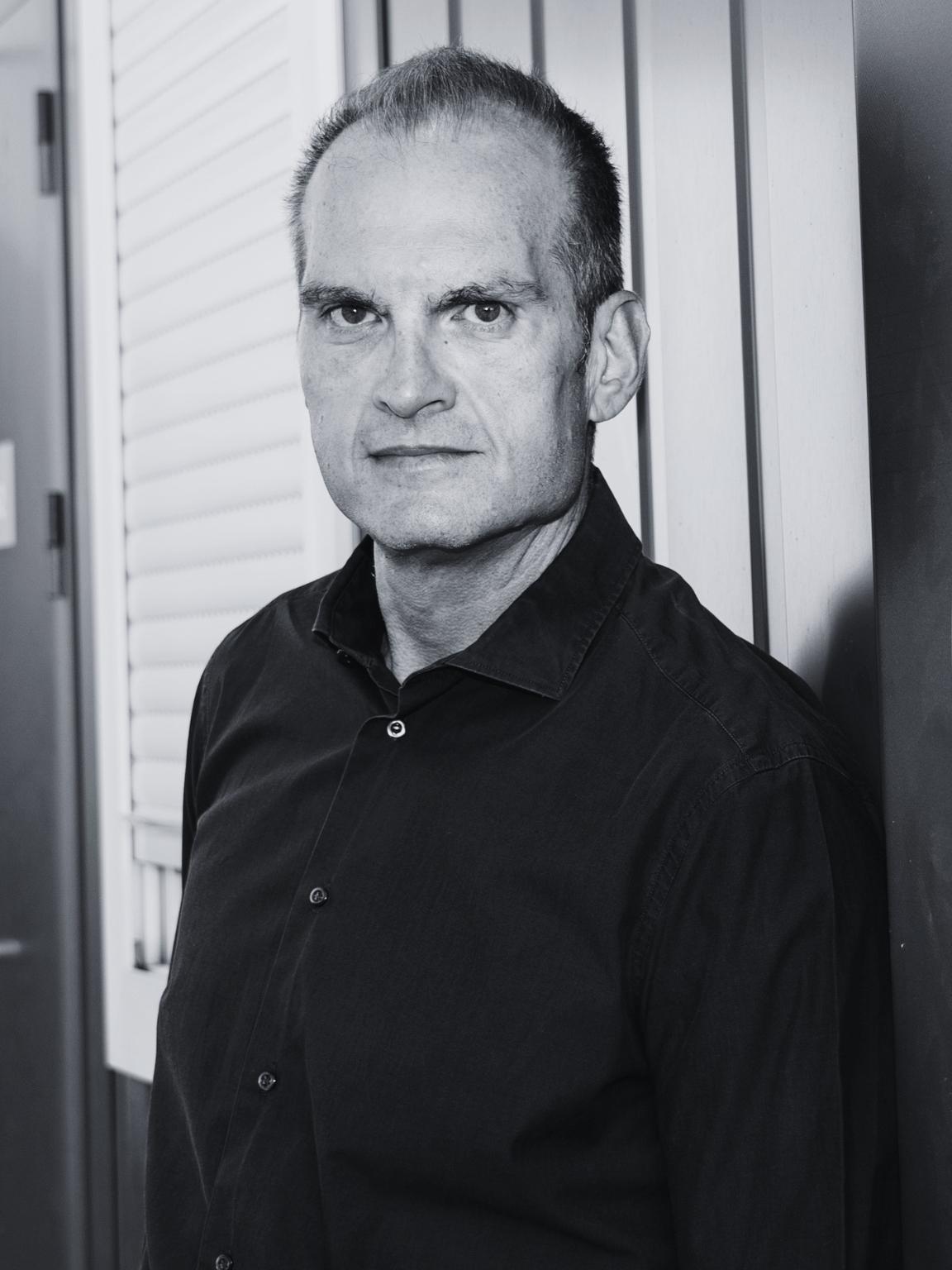
“EVs and ride-hailing are what Europe [often] talks about, but the used car is what most of Europe actually drives,” says Kattorits.
The scale of this demographic is significant. Across Greece, Romania and Poland — where Spotawheel mainly operates — there are around 38m cars with no financing on them at all, according to data compiled by the European Automobile Manufacturers' Association (ACEA).
Unfinanced cars don’t have active loan, lease, or dealership financing attached to them. Owners likely bought them with cash savings or personal loans.
Spotawheel estimates this represents a credit gap of around €350bn in European mobility.
In much of this market, a car loan is assessed more like a credit card than a mortgage.
“That's the real market, and very few people serve it properly,” adds Kattorits.
Spotawheel views this gap as a failure of traditional financial institutions. Neither banks nor leasing companies have the operational channels required to serve the everyday used-car buyer, says Arvanitis.
Banks often lack the resources and capacity to assess a used vehicle's condition, maintenance needs and future resale value, and instead evaluate loans purely on the consumer's profile.
"In much of this market, a car loan is assessed more like a credit card than a mortgage,” Arvanitis says. “The decision centres on the borrower, with limited recognition of the vehicle’s value.”
Conversely, car leasing companies often ignore the individual consumer and build their business models around scale and simplicity.
While this often minimises risk, “it serves an established segment representing around just 5% of the total fleet needs,” he adds.
Moving into the used-car space would require these companies to adapt their business models to cater to individual consumers and vehicles with different backgrounds and histories.
Where banks prioritise mortgages, and leasing companies prioritise corporate fleets, everyday drivers are often not able to access financing.
“The people we serve are the normal economy: people on a salary, seasonal workers, sole traders, a business with four employees,” says Kattorits. “They weren't left out because they're risky. They were left out because nobody built a product for them.”
Owning the entire operating chain
The reality of the market is “you can't underwrite a used car from a spreadsheet. You have to own it, price it, fix it and be able to sell it again,” says Kattorits.
Unlike new corporate fleets, the used vehicle market is unpredictable, adds Arvanitis. "Two cars of the same model and year can have very different economics because of mileage, condition, equipment and history.
The people we serve are the normal economy: people on a salary, seasonal workers, sole traders, a business with four employees.
“Market prices provide a starting point, but physical inspection is essential,” he says.
To solve this, Spotawheel takes ownership of the entire operating chain — from initial sourcing of the cars and refurbishment to subscription management and final resale.
Spotawheel offers a monthly subscription fee which varies based on the specific car model, age, and the contract type chosen, with plans starting from €250 per month.
Because the subscription model is built around flexibility, customers can trade in their current vehicle for a different car as their needs, lifestyle or monthly budget evolves. The company also allows customers to purchase outright.
Spotawheel has more than 6,500 active subscriptions, has sold or leased over 35k vehicles, and is currently net profitable as of 2026.
“Controlling the operating chain gives us visibility into the asset throughout its lifecycle,” says Arvanitis. “We know what we paid for the vehicle, its condition, what refurbishment and maintenance cost are involved, and what we can realistically sell it for afterwards.”
“We can compare what we expected to pay and spend on refurbishment and resale, with what actually happened,” he adds. “Those outcomes inform subsequent purchasing and pricing decisions.”
The shift to a subscription model
Across CEE, outright car ownership is often viewed as a significant life milestone. However, the transition towards a used-car subscription is ultimately driven by financial comparisons.

Initially, Spotawheel assumed outright buyers and subscribers had different consumer psychologies. "We were convinced we had two completely different customers — one wanted to buy a car, the other wanted to lease one,” says Kattorits.
“We built two of everything. Separate campaigns, separate targeting, separate creatives."
However, the company quickly realised this approach wasn’t the most effective. “We’d built two front doors to the same house, and people simply walked through whichever one was closer,” Kattorits adds.
“We learned that buyers and subscribers are often the same audience,” Arvanitis adds. “Customers come to us needing a car, then compare the purchase price with the monthly subscription cost and the flexibility each option provides.”
We’d built two front doors to the same house, and people simply walked through whichever one was closer.
Beyond immediate finances, subscriptions solve a flaw in traditional car ownership. “A customer’s circumstances can change much faster than the car they own,” Arvanitis says.
“Their family grows, they change jobs, their business needs another vehicle or they want to reduce their monthly spending. A flexible subscription gives them a way to adapt their mobility to those changes.”
The shift to subscription allows for a much broader relationship and Arvanitis describes this as the company's ‘north star.’ “Someone may need a small car today, a family car later and a different monthly commitment after that. We want Spotawheel to keep adapting with them, enabling lifetime mobility for all.”