At this year’s South Summit in Madrid, the message was clear: the tech world has officially moved on from mere AI hype.
Bringing together founders, investors and operators across Europe, the 2026 theme of ‘AI Convergence’ highlighted how the technology has become a fundamental part of how companies are built.
AI has made it easier than ever to turn an early idea into a product, and the traditional barriers to launching a business have transformed. This shift is forcing investors to rethink how and when they fund new ventures.
The event, co-organised by IE University, hosted representatives from IE University, Google X, ElevenLabs and Airbus SE, among others. They spoke on a range of topics from the future of AI and how it’s being used in defence and dual-use technologies, to European sovereignty and fundraising.
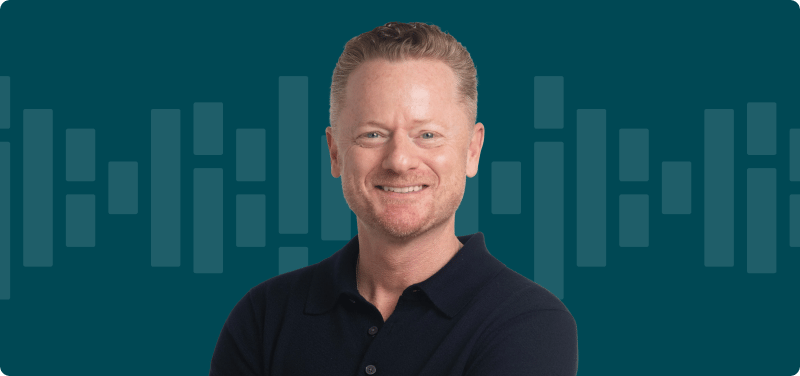
“We really believe AI is converging in all industries and we’re convinced this is going to transform the whole economy,” says Nacho Mateo, CEO of South Summit. “But we always say AI should be the tool, not the goal. We need to know how to adapt to this new technology.”
Here are the key themes from this year’s event.
AI Convergence
AI is no longer just a buzzword but an increasingly vital tool in almost every industry.
According to OECD data, 61% of global venture capital went into AI-related projects in 2025, compared to 30% in 2022.
What used to take large amounts of capital and months of work to produce can now be built in a fraction of the time with AI.
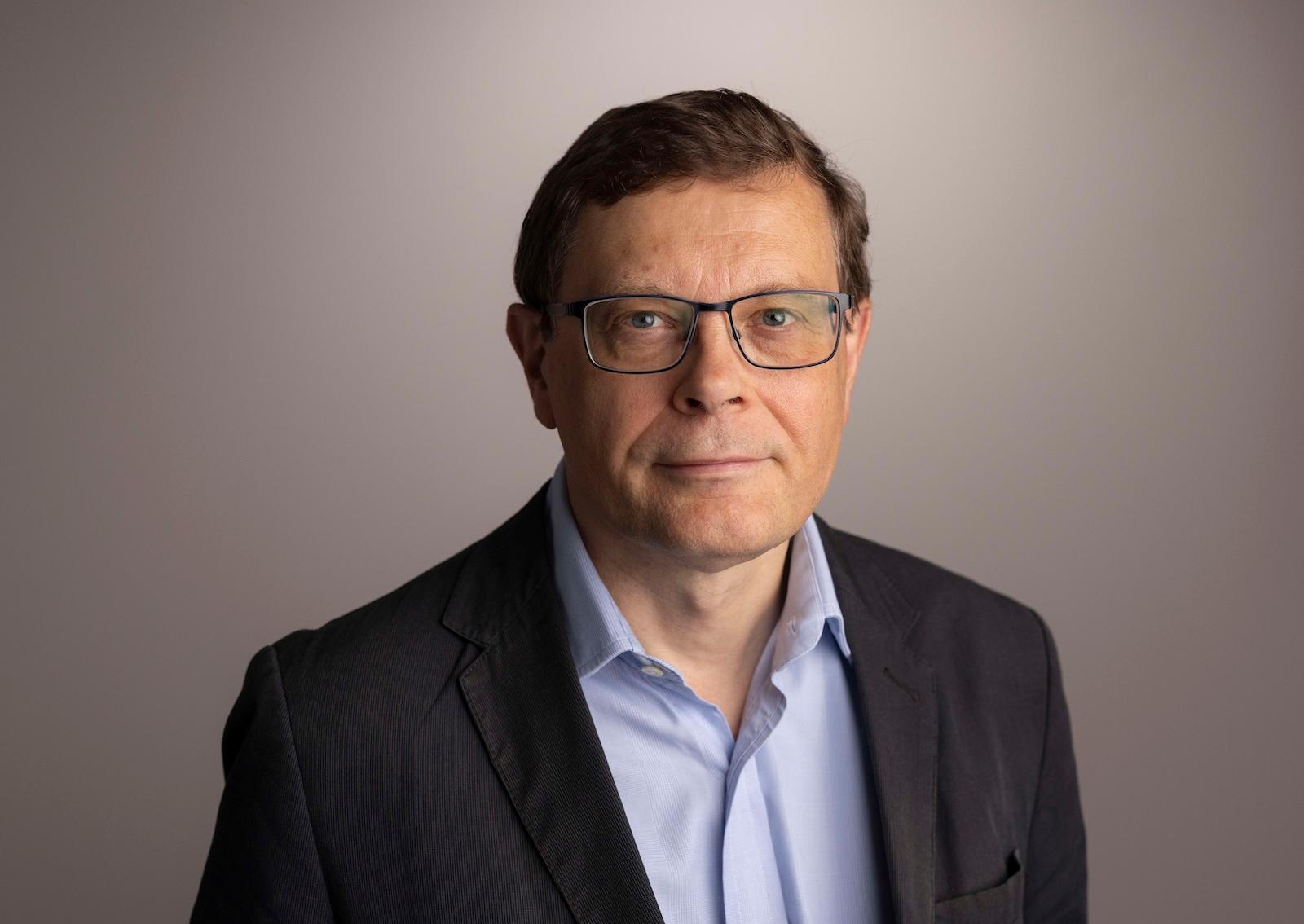
“AI has become somewhat like electricity, and nobody ever won a market by just having electricity. You win by what you build with it and what you build around it,” says Juan José Guemes, chairman of the Centre for Entrepreneurship & Innovation at IE University.
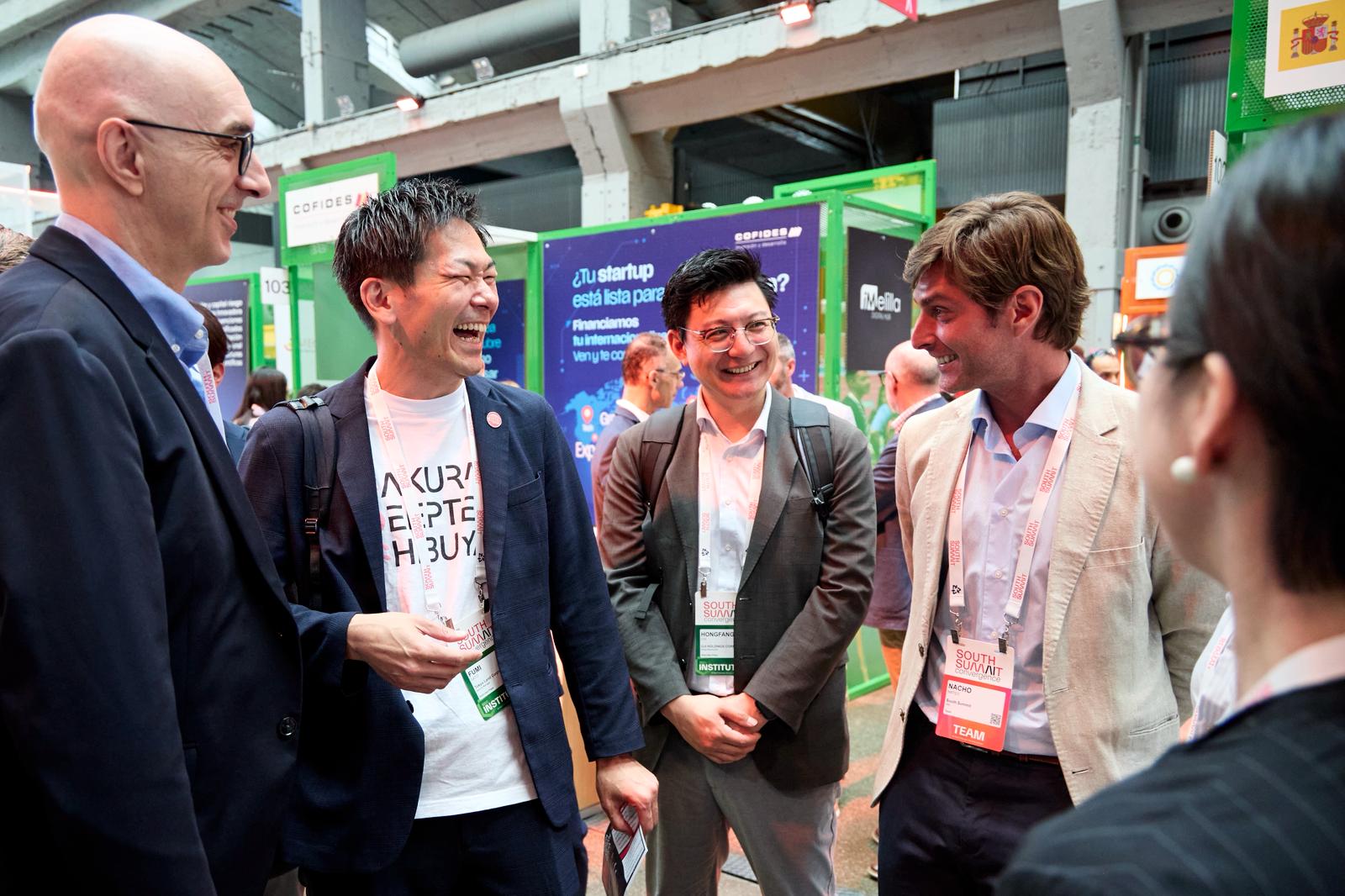
To showcase how accessible AI tools have become, South Summit hosted an AI venture buildathon, with IE University and Stockholm vibe-coding giant Lovable, where participants used a laptop to build a working prototype in under four hours.
The event also hosted panel discussions on AI’s potential applications in robotics, infrastructure and the creator economy.
According to Guemes, there are three specific areas where AI can be used to build defensible companies. The technology should be backed by proprietary data and domain expertise, as well as the ability to be integrated into workflows.
But the most important thing for him is human judgement. “When anyone can build a tool, the scarcity is knowing what to build and who to build it for. That's the human element, and it’s still the hardest thing to replicate.”
Defence and dual-use technologies
The future of European defence also stood out as a key focus of this year’s South Summit.
Conversations on the topic were delivered by leaders from the Spanish Ministry of Defence and NATO DIANA who discussed defence innovation and European sovereignty in the sector.
Europe is at a turning point, says Mateo, with founders on the continent needing to navigate regulation while also exploring new opportunities within dual-use technology and AI.
“A founder nowadays has to navigate multiple different regulatory frameworks,” he says. “To raise capital, to hire and get talent. Navigating that, in my opinion, is one of our biggest competitive advantages that we have against other big players.”
Policymakers and founders should also lean into Europe's unique strengths: solving complex, real-world problems, says Guemes.
We’re talking about defence in a much broader field. Cybersecurity, applied AI, space technology, satellites.
“The point isn't winning the race everyone else is running,” he says. “One of the only races we can win is deploying tools that can actually address problems from Europe to the world.”
One way Europe is increasingly doing this is through dual-use technologies, which can be used in civilian markets or be deployed for defence, security or government use.
“Over the last decade, defence has often been a technology only the government and institutions cared about,” says Mateo. “We’re now seeing the rise in civil technology.
“This isn't just about weaponry but also security and infrastructure,” he adds. “We’re talking about defence in a much broader field. Cybersecurity, applied AI, space technology, satellites.”
Funding shifts: Building sustainable business models
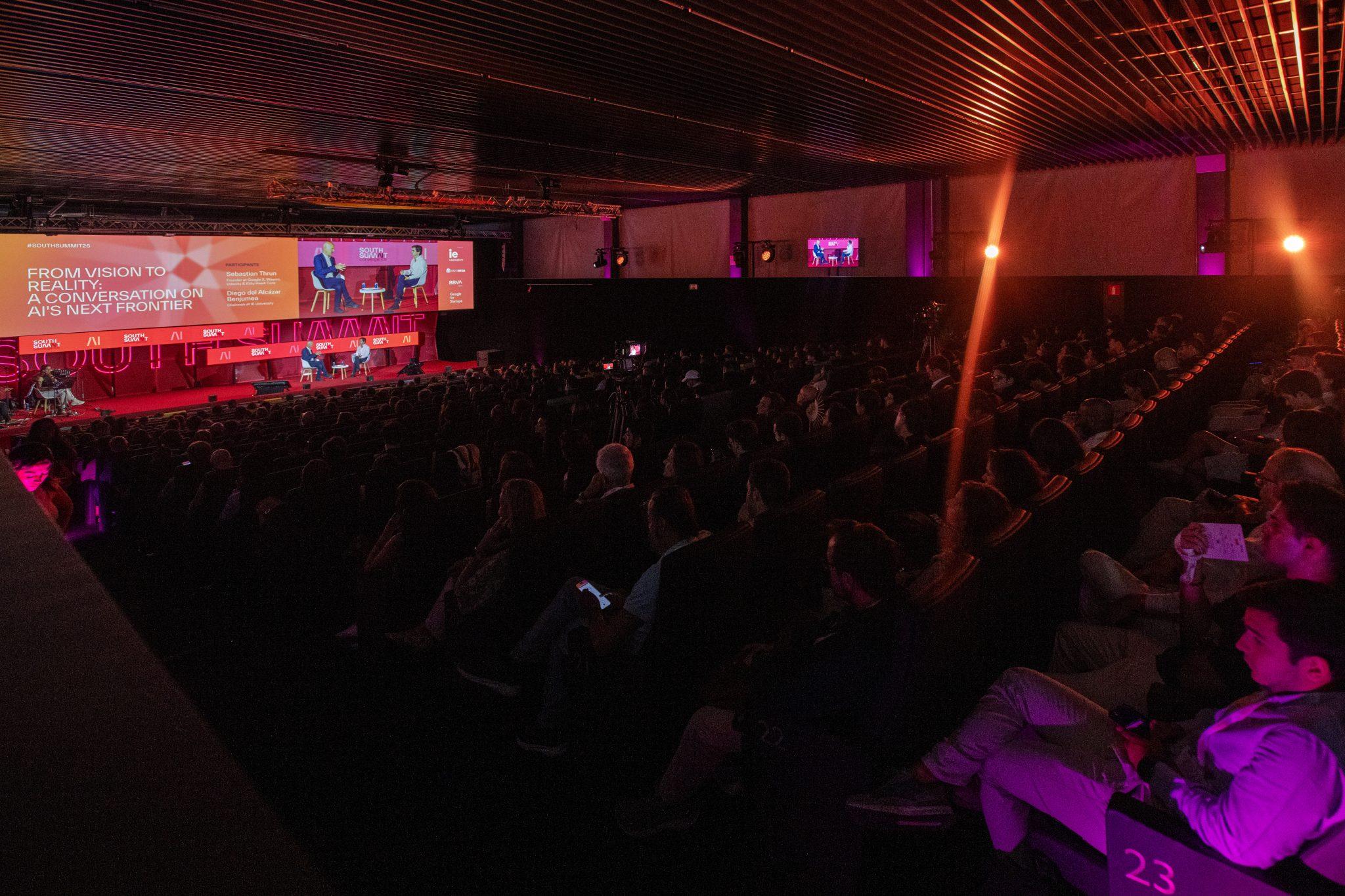
The evolution of Europe's funding environment was also a key talking point at South Summit.
Because AI has reduced the cost of execution, founders are now using less capital to get their ideas off the ground.
What stays scarce, and actually becomes more valuable, is knowing what's worth building in the first place and getting it adopted into the real world.
Instead of funding early-stage development, investors are being advised to deploy capital at “the growth-stage when startups have proven they have a sustainable business model and all they need is speed and growth,” adds Guemes.
Mateo and Guemes hope South Summit can continue to push founders to develop their ideas early and use AI from day one.
“AI has removed the excuse not to start,” says Guemes. “What stays scarce, and actually becomes more valuable, is knowing what's worth building in the first place and getting it adopted into the real world.”