NestAI, an AI lab founded by Peter Sarlin, has released its first models, which are specifically designed for military use. The company wants to help Europe reduce its reliance on foreign providers for its military tech.
Sarlin founded Nest in 2025. He previously founded AI lab Silo in Helsinki before selling the company to chip giant AMD in 2024, in what was then the highest-value AI acquisition in Europe.
Nest has grown to 200 people in the last year, and has hired staff with experience at places like Tesla, Nokia, Intel and Silo. In November it raised €100m from telecoms company Nokia and Finnish state-owned investment firm Tesi.
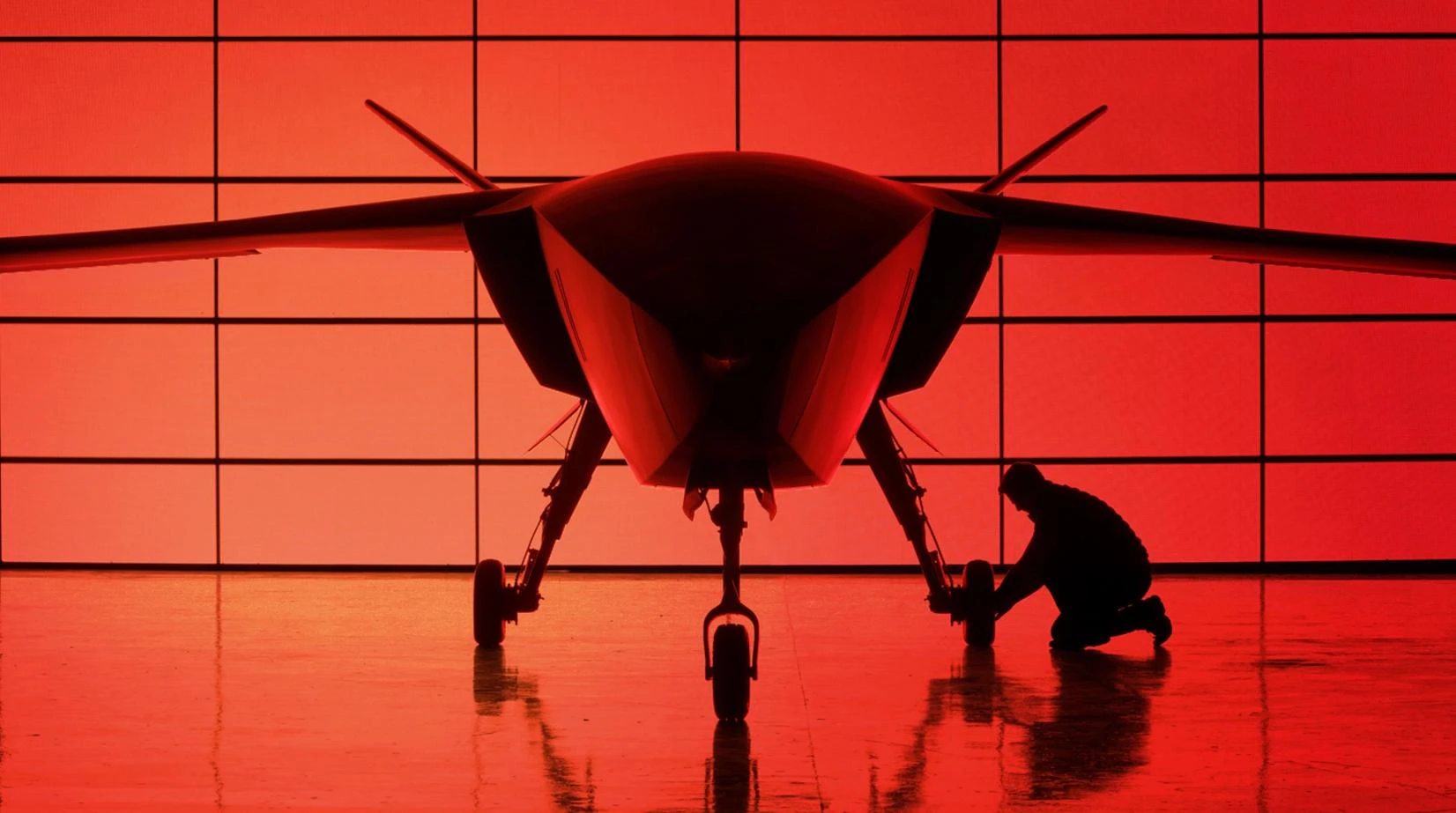
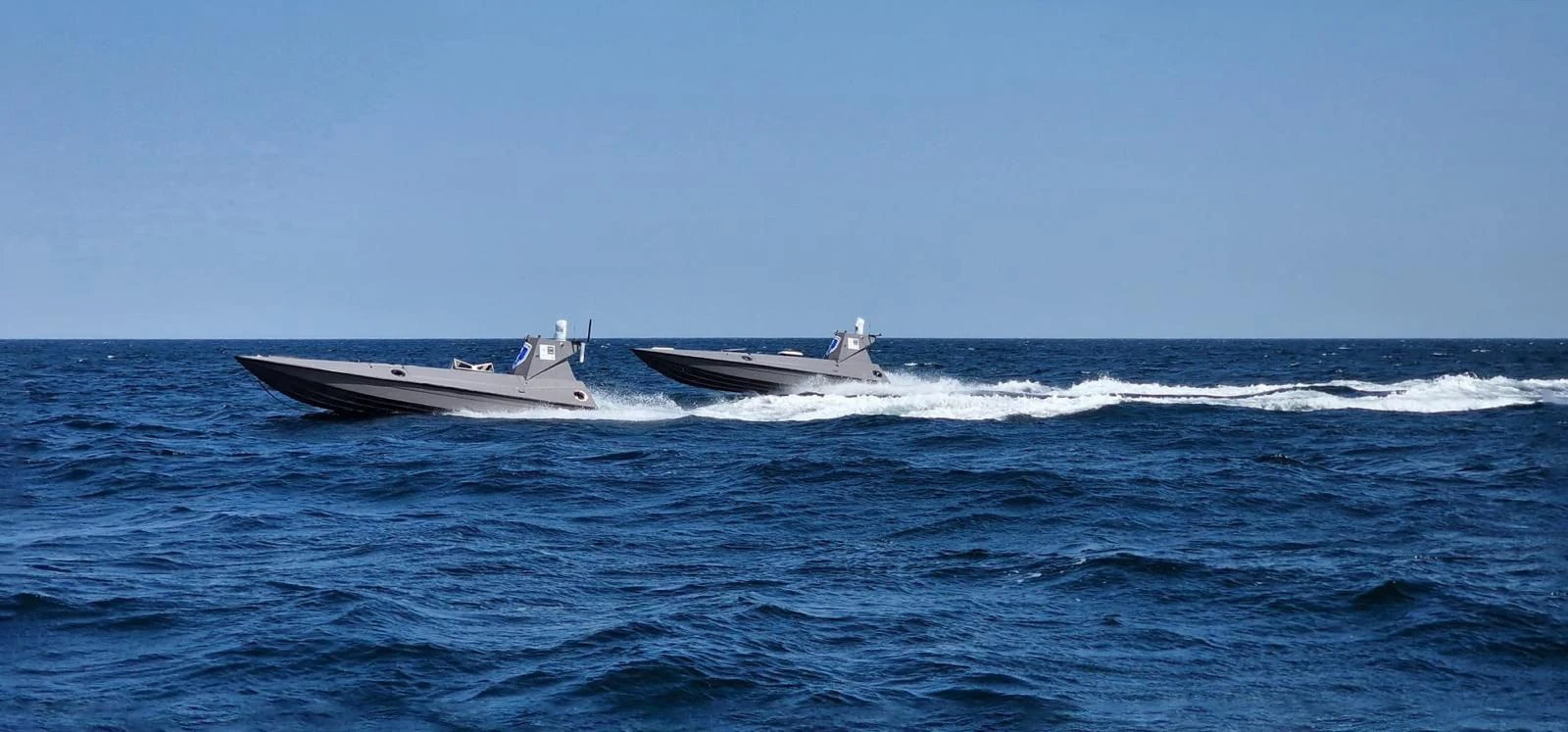
NestAI is building two main capabilities. One on the autonomy side — the foundational models — for drones that can be used on the edge. And models for battlefield orchestration, through which armed forces can orchestrate entire missions, delivered through its existing platform, NestOS.
Nest’s models are trained on synthetic data and data from the real world, to create the datasets required to run autonomous, unmanned systems and drones on the battlefield.
The launch comes weeks after a US government ordered suspension on the export of tech giant Anthropic’s best models put the spotlight on Europe's reliance on foreign providers for its most critical tech. Sarlin says the events show just how vital it is for European sovereignty that the region owns and controls the foundational models that power military capabilities.
“There’s been significant concern about owning and controlling the model layer in defence,” Sarlin says, “and this is basically a solution to that.
“Our intent is not to compete with general purpose frontier models like Anthropic and OpenAI,” he adds, “but be domain specific with our approach, and that’s how we believe we can be competitive.”
Sarlin likens the tech’s development to self-driving cars. Environments change with seasons, meaning vehicles need to be able to navigate how a place looks in summer as well as in winter.
“It’s exaggerated on the battlefield by the fact that the adversary's main task is to break things,” he says. If your adversary aggressively bombed the battlefield, for example, the maps you thought you could use for autonomy aren’t useful anymore as the battlefield looks different, he says.
“That’s what we optimise for, a foundational model that sits at the bottom but a platform that allows you to continuously adapt to specific environments.”
Nest is currently running a pilot programme with the Estonian and Finnish armed forces. The platform’s foundational drone model lets them run end-to-end missions with unmanned fleets of drones, while the orchestration model lets them plan and execute missions from start to finish. They can do “anything related to drones and tasks they’d want the drones to execute,” Sarlin says.
The longer-term plan is to work with armed forces from other allied countries, and use the data collected from that to continuously develop the models. “Model development is something that starts and it never ends,” Sarlin says.
‘War time capability’
Since the war in Ukraine started four years ago, warfare on the ground has significantly changed. Data compiled from Ukrainian Air Force reports show that in 2024 alone, Russia launched roughly 13,300 air attacks — drones, missiles and cruise missiles combined — on civilian targets in Ukraine. In 2025, that number quadrupled to around 56,700 such attacks, driven largely by an increase in the use of drones.
The speed of tech development on the battlefield means that the rest of Europe adapting to the new requirements requires “war-time capability”, Sarlin says.
“A lot of defence today is still at peace time capability because very few countries are experiencing war time requirements,” he tells Sifted. “We’re optimising for the Ukraine model, how they operate and the speed at which they need to be able to adapt.
“If you look at Ukraine, the reality is they’ve built R&D centres directly linked to the battlefield,” he adds. The question its military units have to answer is how fast can they adapt when their adversary changes.
Partnerships
Nest is partnering with AMD to give it access to compute capacity, and also has a partnership with Finland’s LUMI AI factory, where it’ll use its LUMI supercomputer to train its models.
It will also work with quantum startup Qutwo — which also counts Sarlin as a cofounder. The company is simulating quantum computing on clusters of GPUs, Sarlin says, which allows it to compress large AI models without them losing performance.
“It allows you to run them on the edge,” Sarlin says, “which is ultimately the key challenge in pushing capable AI models to affordable hardware.”