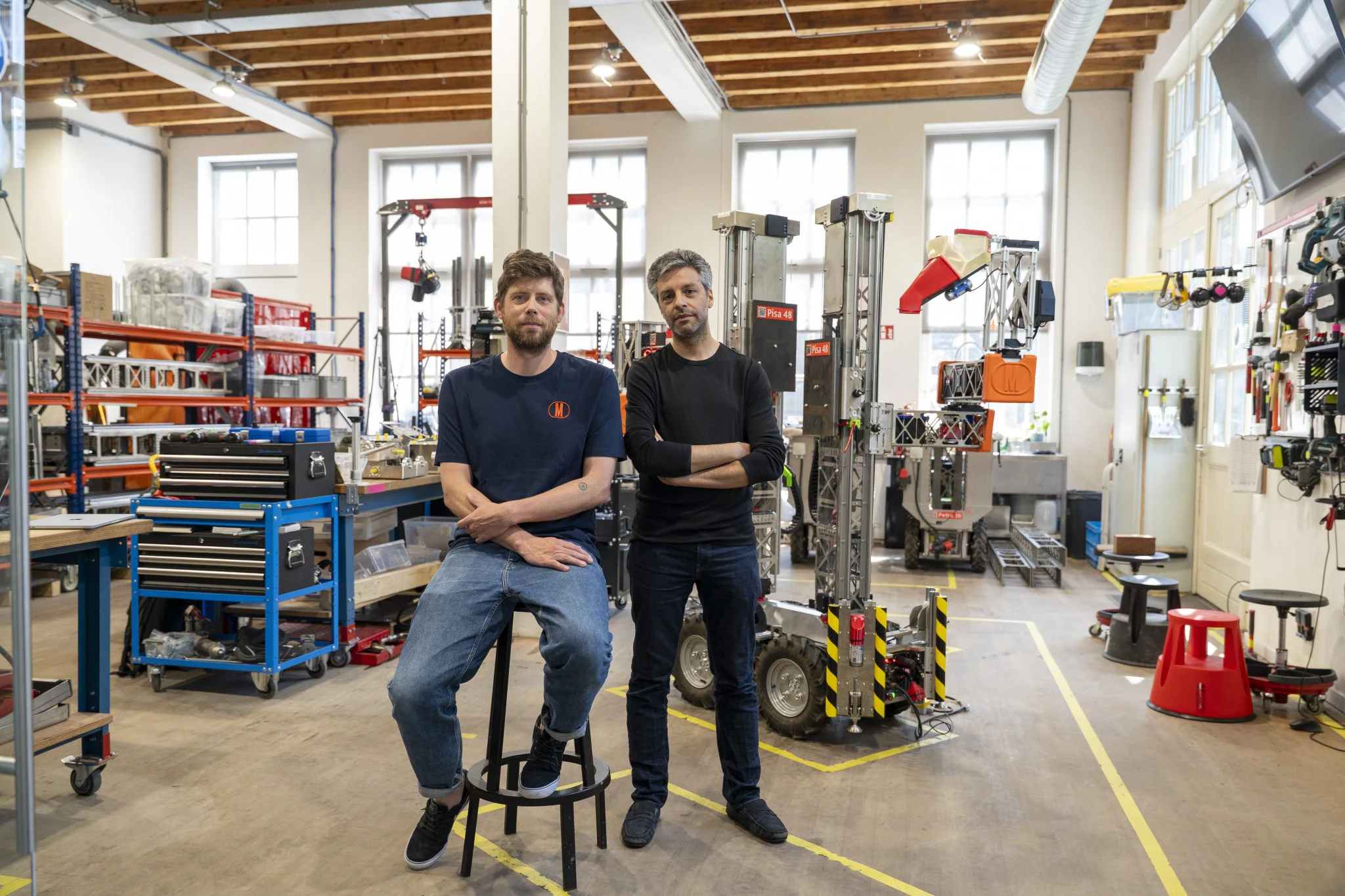
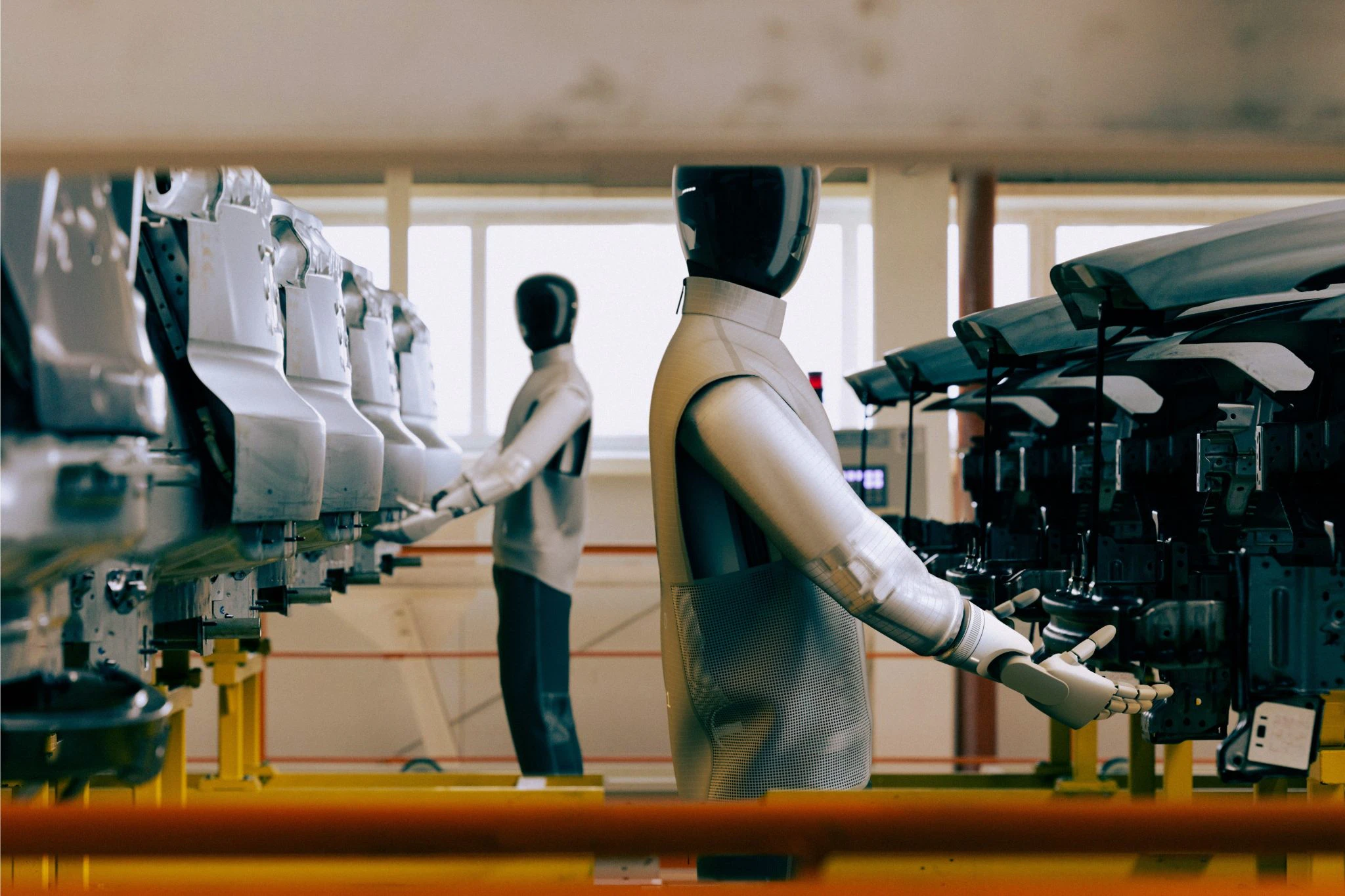
Munich-based robotics company Microagi, which collects factory and household data to train the next generation of humanoid bots, has raised $55m in Germany’s largest ever seed round.
The deal was led by VC firm Hummingbird, with participation from Northzone, LocalGlobe, Village Global and Redalpine. It comes roughly 10 months after the company was founded by former Formula 1 engineers.
Asked how he feels about this funding milestone, CEO Bercan Kilic tells Sifted: “It’s one-billionth of what Europe needs.”
Kilic says the continent's manufacturing industry will crumble unless it invests heavily into robot automation. The sense of an uphill climb is captured literally on Microagi's website, which features a picture of a humanoid pushing a boulder up a mountain.
“In the last 60 years, we’ve offshored a lot to the east, so there are many skills we never mastered in Europe," says the former Red Bull Racing man. "We've fallen behind in our ability to do things in-house, and we've lost price-competitiveness."
To capture training data, Microagi has been sending humans into factories and to people's doors. These humans wear cameras on their heads, which gather reams of data on tasks such as sorting items and cleaning dishes.
Nico Nussbaum, Microagi's CTO, explains how it works. “We put our engineers on site with each customer, and the system learns from their real operations and feeds that back into the next run," he says. "So every month we're there they pull a little further ahead of their competitors.”
Nobody knows how much data you need for training robots, Kilic says. But startups are betting on needing a lot of it.
The global dash sees investors pouring billions of euros into startups. Kilic says training models are “more advanced in the western world”, while China leads on robot hardware.
Last week at Machina, the big robot gathering in Paris, there was plenty of debate over when we may see competent humanoids join the workforce. The timelines varied radically: one investor said it would be 10 years before a robot can iron a shirt unaided by a human.
But Kilic predicts a humanoid will be able to do roughly 10 routine tasks autonomously in a year's time.
“A robot that is able to do something more complex, like plumbing, will take a lot longer.”