Italian Maia Ventures has just closed its first €55m early-stage agriculture and foodtech fund.
And as more VCs turn their focus on defence or AI agents, Maia’s founding partners tell Sifted the timing couldn’t be better.
As investors seek to capitalise on the AI boom, food and agriculture startups have struggled to maintain momentum. A paper published this week by scientific journal Food Policy argues that mismatched timelines between VC and agritech innovation have undermined the sector’s appeal to investors.
“Capital has dried up. But we see this as an opportunity,” says founding partner David Bassani. “It's definitely harder to raise a fund, but now it's a great position for those funds that are still there to invest.”
‘The tourist funds have left’
As with climate tech, food and agritech has definitely not been on most VCs’ minds in the last couple of years, according to Bassani.
“You look at 2021, there was $56bn invested in agri-food tech. You look at 2024, it was $16 bn and the number is still trending down a little bit.”
“First of all, there is less money because we see a lot of generalists, let's call them tourist funds, have left,” Bassani says. These generalist funds applied “the Silicon Valley SaaS playbook as if it was any other sector,” without taking into account that this sector is a lot different.
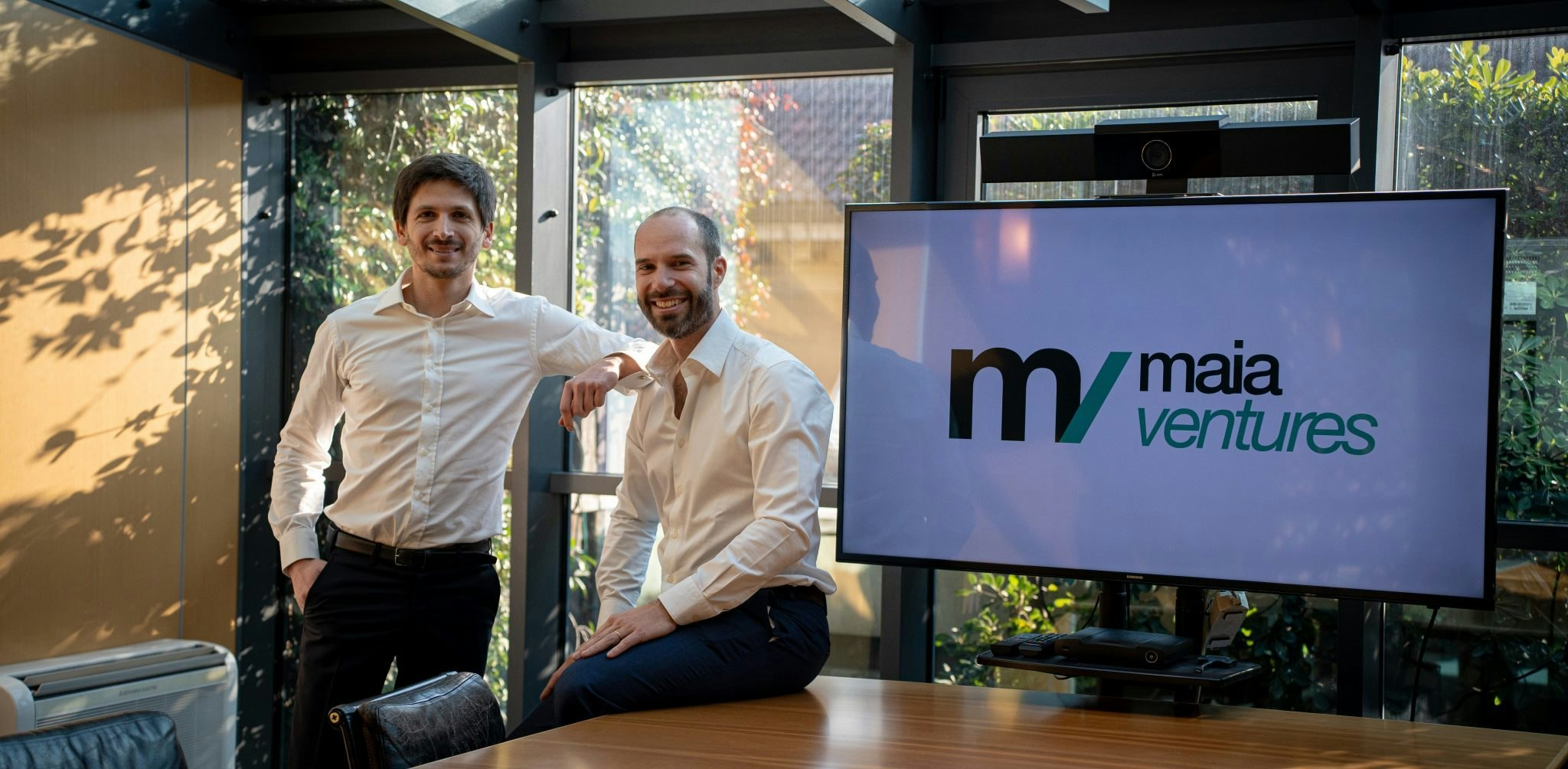
Andrea Galassi, Bassani’s Maia cofounder, tells Sifted there are several key learnings from the sector in the last five years. One of them is to focus on solutions to problems that matter, he says.
“If you look at the $50bn+, most of it was invested in delivery and in super fast delivery, probably not a key technology or issue in the industry right now,” Galassi says. Another learning is that in agri-food tech, you need capital expenditure, especially if you work on a product or an ingredient. Using VC money to fund capex is not the right way to do it.”
“We feel that we belong to a new wave of funds that is reinterpreting the way agri-food tech is played,” Bassani fills in.
Their investment thesis targets healthier ingredients, food waste reduction and supply chain innovation, with a primary focus on Italy and Europe, but is also open for global opportunities.
The fund is backed by institutional investors such as the European Investment Fund (EIF) and the Italian state-backed venture capital firm CDP Venture Capital Sgr, alongside Italian food corporates and their family offices.
From the fund, Maia will invest in 20 to 25 early-stage startups, with initial ticket sizes ranging from €500k to €1.5m. It has already made six investments to date.