Munich-headquartered Proxima Fusion has raised €411m at a €2.5bn valuation in a round led by XTX Ventures and East X Ventures.
Other investors include Google, German energy company RWE, SKion, KfW, SPRIN-D and Burda Principal Partners, as well existing investors including UVC Partners, Cherry Ventures, Plural and Balderton.
Proxima will use the new funding to build its stellarator, a device needed to power nuclear fusion, the process of combining atoms to release energy and recreate a similar process to the one that occurs in the sun. Proponents say fusion could create limitless amounts of clean, safe energy.
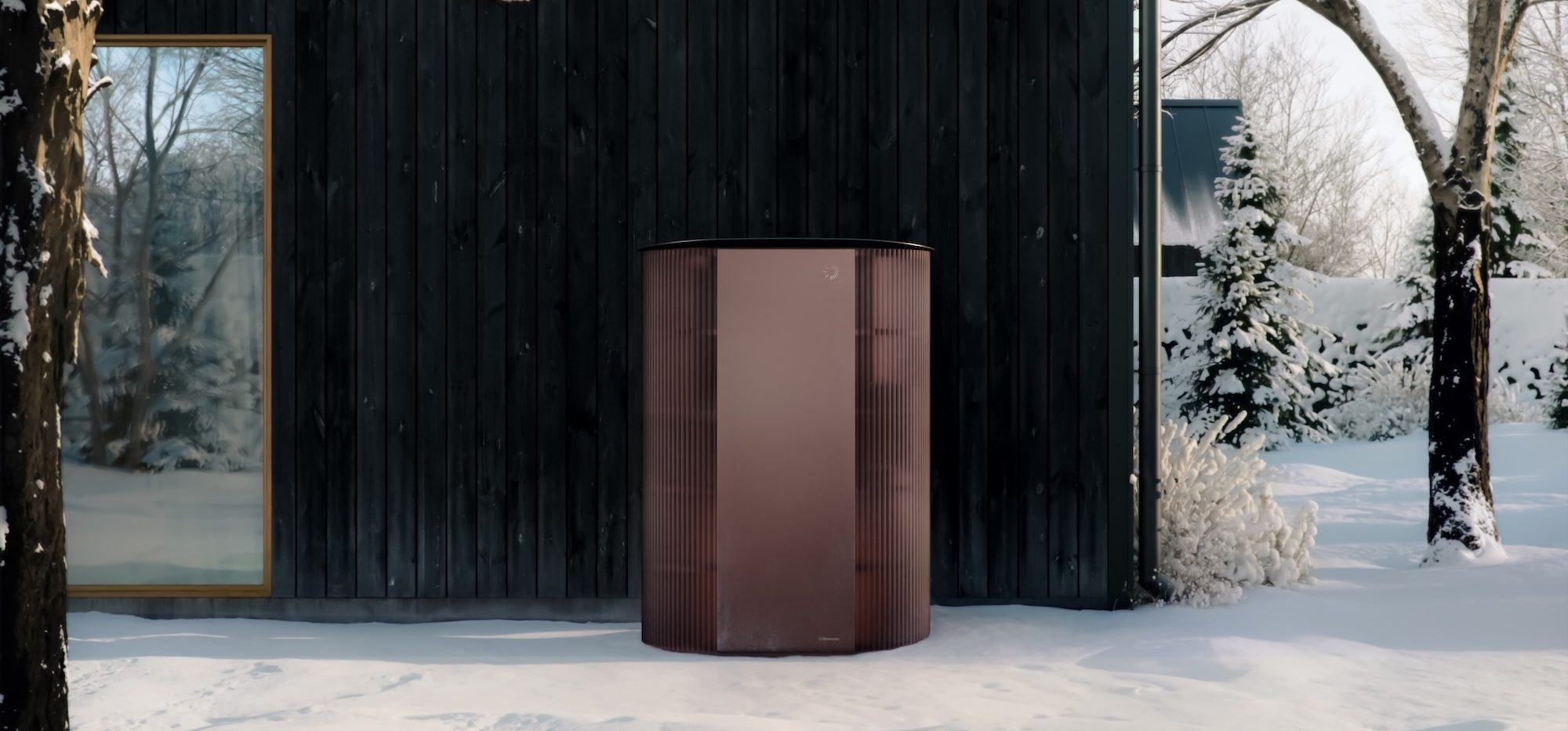
The company is currently building a €2bn demonstration stellarator dubbed Alpha, which uses magnets to suspend hydrogen plasma, which is then heated to extreme temperatures so its nuclei fuse.
Alpha is scheduled to be completed in the early 2030s. After that, Proxima will move to building its first commercial plant, anticipated to be ready in the mid-2030s.
The latest fundraise, combined with €400m from the Bavarian government, brings Proxima’s funding for Alpha to €800m. The company is aiming to secure the remaining €1.2bn from Germany’s federal government via a grant that’s expected to be tendered later this year.
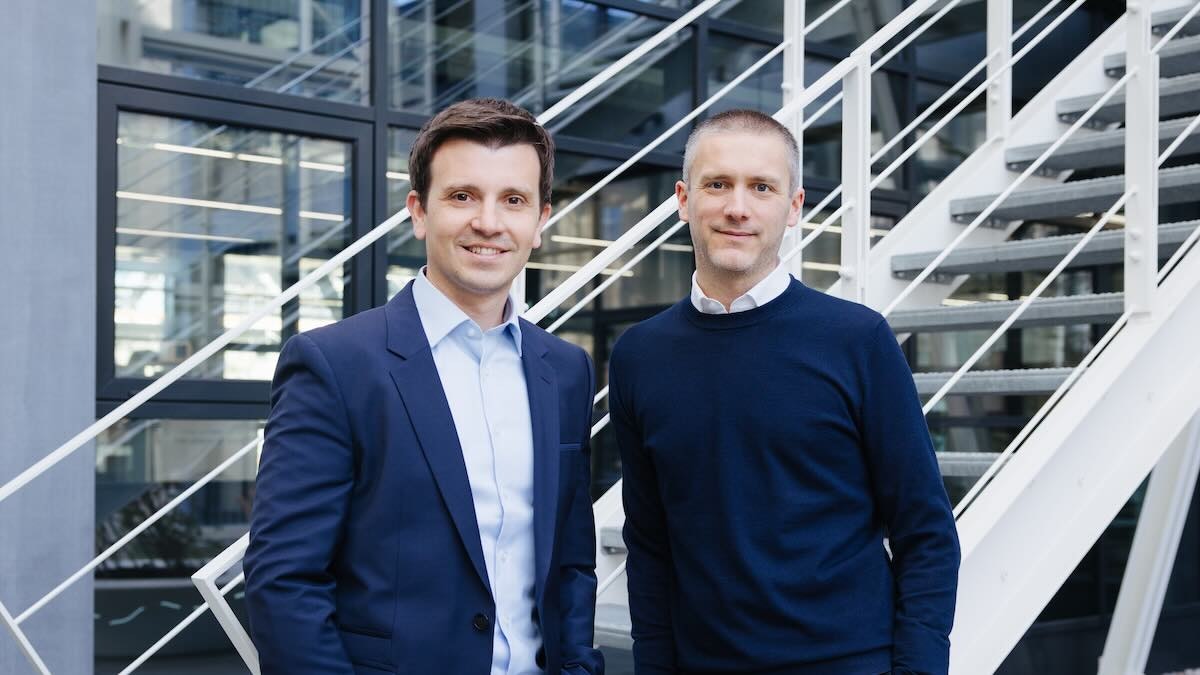
“Europe is racing with the United States and China to get to the first fusion power plant,” says Francesco Sciortino, cofounder and CEO of Proxima Fusion.
“Investors recognise both the urgency and the opportunity of what we're doing and are backing us to develop a generational energy technology company.”
Google’s entrance onto Proxima’s cap table marks the first time it has backed a European fusion investment.
The internet giant has previously backed US nuclear builders, including Massachusetts-based Commonwealth Fusion, which earlier this year, it also signed up to purchase energy from in the future. At the time, Google said it was using its purchasing power to “send a demand signal to the market for fusion energy” to move the technology forward.
Proxima, which employs 200 people across Munich, Zurich and Oxford, has previously raised €650m, including €95m in public grants.