As Europe ramps up industrial decarbonisation, France is emerging as a hub for bioeconomy innovation, combining strong research, public funding and growing investor interest.
Backed by a strong research ecosystem and a supportive policy environment, the country is drawing attention from investors looking to support biotech solutions.
French startups in the circular economy raised almost €150m in funding in 2025, almost doubling €83m raised the previous year. Meanwhile, French biotech startups also jumped from €216m to €501m in the same period.
The France 2030 initiative is helping to push investment across the country with €54bn of funding allocated to emerging startups. The fund is designed to be split evenly between projects aimed at decarbonising the economy and innovation more broadly.
The ECBF VC’s decision to open a Paris office signals growing confidence in France’s ability to produce and scale leaders in the bioeconomy.
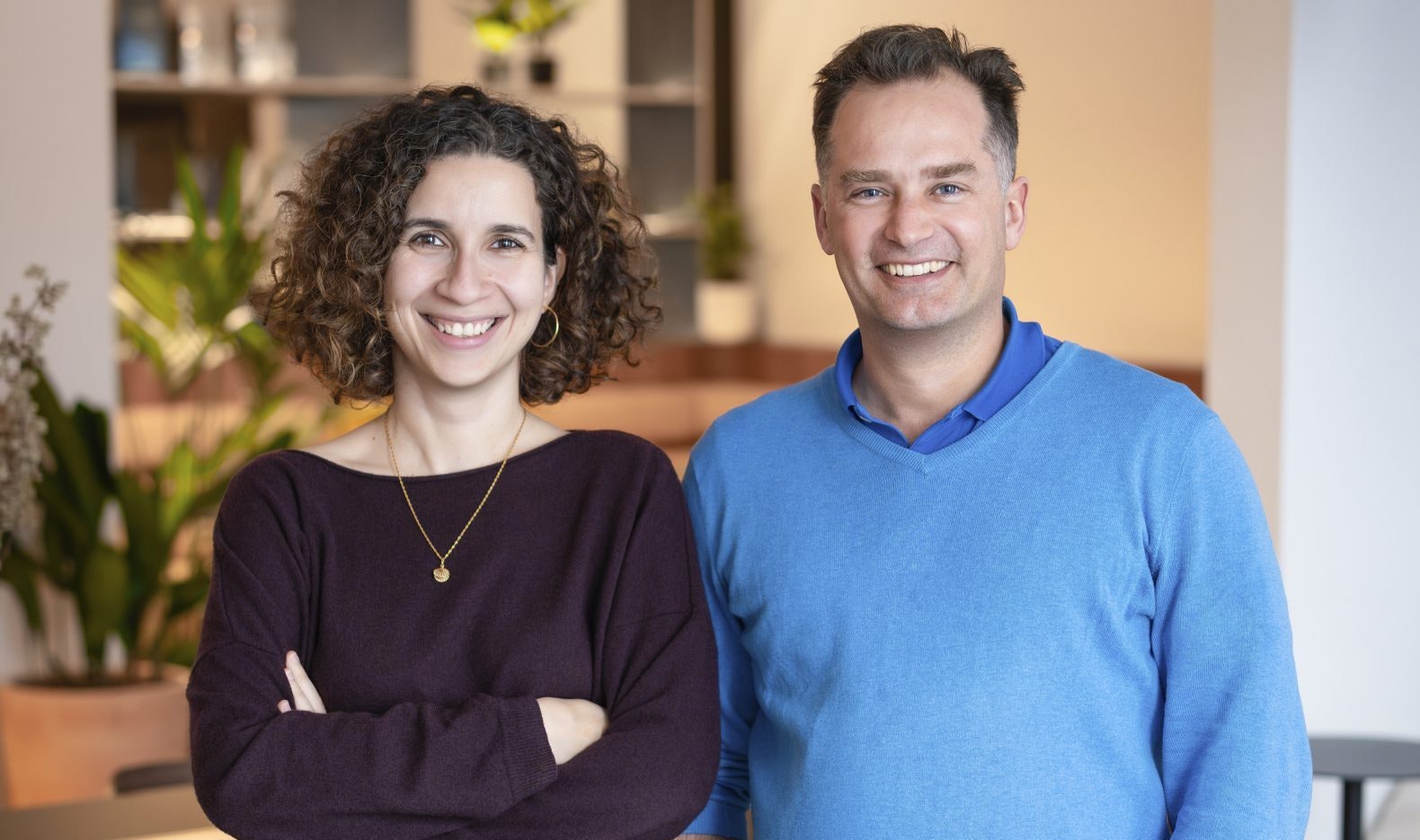
In an interview with Sifted, Stéphane Roussel, partner at ECBF, Olivier Choulet, CEO of bio-based paint binder developer Ecoat and Jean-Francois Déchant, CEO at crop solutions developer Elicit Plant, unpack what’s driving this shift and whether France can turn early promise into long-term leadership.
The state as a backer
Government support is a key driver of France’s bioeconomy push, particularly at the early stage.
Under the broader France 2030 initiative, the Origins Priority Research Program and Equipment (PEPR) has a budget of €45.5m to fund research areas in life sciences over seven years.
In May 2025, the European Investment Bank (EIF) along with French bank BPCE also signed an agreement to utilise €200m in loans for small and medium-sized enterprises (SMEs) in farming and bioeconomy sectors.
“The challenge is scaling these innovations and this is where strong policy support is helpful,” says Roussel “It’s about making sure these innovations are born here and can industrialise here. This is where most fail.”
Tax incentives available to businesses in France also provide significant support to startups, with a 25% standard corporate tax rate offered.
France’s Research Tax Credit also offers French businesses a 30% tax credit on R&D expenses while the Innovation Tax Credit offers SMB’s a 20% tax credit on eligible innovation expenses, including costs of prototype designs and pilot testing.
It’s about making sure these innovations are born here and can industrialise here.
Startups in the bioeconomy can also utilise subsidiaries from public institutions such as the French Agency for Ecological Transition (ADEME) and French national investment bank BPI France in addition to tax support.
Government support has been particularly helpful for early stage startups, says Déchant, however there has been a funding gap when it comes to growing scaleups.
“The French ecosystem’s way of helping startups, particularly in the bioeconomy, is strong, particularly for early-stage startups,” he says. “But the challenge is for scaleups. It's not only in France but across Europe.”
French culture and region
France’s agricultural base and regional diversity also give it an edge. With one of Europe’s largest shares of arable land and a successful scaling biofuel industry, the country offers strong foundations for bioeconomy startups, from chemicals to foodtech.
According to data from Eurostat, France has the largest share of arable land in Europe, excluding Russia and Ukraine. “The ecosystem here is one of the most vivid in Europe,” according to Roussel.
“Although there are earlier stage funds in France, these are less focused and less specialist than we are on the verticals we support,” he adds. “It felt natural to have a foot on the ground to build stronger connections within the ecosystem.
The rich landscape in France has been beneficial to Ecoat when developing bio-based and water-based binders and resins for the paint industry, adds Choulet.
France must strengthen the bridge between existing industry leaders and startups to accelerate adoption on the domestic market.
“France has a lot of agriculture and land. So the agricultural chemical has always been active in France. For us, it's a natural synergy between those two things to create more bio-based chemistry.”
French citizens are also very conscious of the environment and their lifestyle, says Déchant, which places further importance on the progression of biotech, healthtech and foodtech companies.
“The regulation is strong in France for agricultural products and farmers will try to position their production with premium products with less chemicals and better practice. For the government, they have to encourage such innovations.”
Remaining competitive
For France, the biggest challenge lies in scaling.
While the country has all the ingredients — including research, capital and political support — closing the scaleup gap may prove difficult in turning early momentum into global leadership.
“France must strengthen the bridge between existing industry leaders and startups to accelerate adoption on the domestic market and decrease the cost to expand internationally,” says Déchant.
France, as well as wider Europe, should also work to strengthen sustainability and ESG strategies, adds Choulet. Ecoat tries to do this through addressing the consumer and their needs rather than the regulations themselves.
It felt natural to have a foot on the ground to build stronger connections within the ecosystem.
If you compare France to China and the US, they are certainly faster at scaling with private capital, says Roussel.
“They think immediately in terms of a global championship. In Europe, we’re still a bit shy of putting that level of ambition behind startups, both in terms of ambition but also capital. France is a bit different in the ecosystem because it has strong upstream assets like agriculture and research.”