Building a successful company doesn’t always begin with a grand plan.
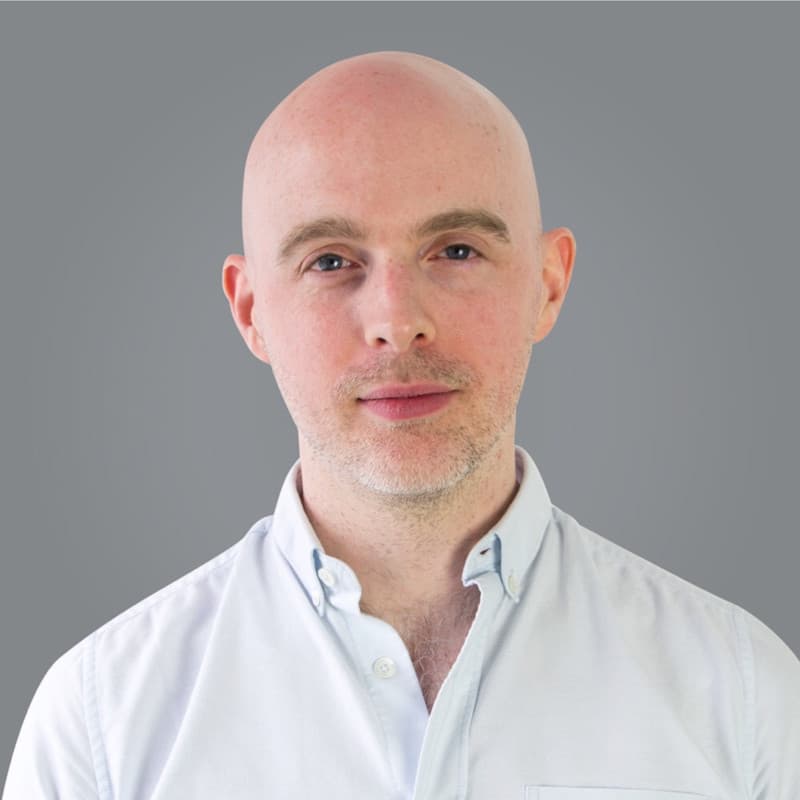
Ozan Ozerk, founder of Banking-as-a-Service fintech OpenPayd, knows this better than many. Having started his career co-founding and selling a social network, Biip.no, before working as an emergency room (ER) doctor and eventually moving into fintech, he’s no stranger to unpredictability.
Rather than starting with an elaborate strategy, Ozerk grew OpenPayd by focusing on one specific aim: giving businesses ready-to-use bank accounts and financial infrastructure. It was a pain point that he had felt directly when managing his other businesses.
“In my businesses, I always start addressing one or two problems that are related. Then you grow the scope as you get more insight and more knowledge,” he says.
“Sometimes people read something in the news or hear about a new trend [and focus on that],” he adds. “I don't think that's the right approach. You should focus on something you think is interesting and you feel you can do something about.”
In an interview with Sifted, Ozerk offers his advice to early-stage founders and explains why having a grand vision isn’t a prerequisite for a business to succeed.
From emergency medicine to running a business
Working in the emergency room might seem vastly different from running a business, but Ozerk says both require a similar approach to uncertainty.
The ER is “mostly calm” until it isn’t, he says. For both medical specialists and founders, the ability to triage — the process of prioritising people or problems based on what needs attention first — is their greatest asset.
You can have good days and bad days, but this should not influence your decision-making.
Reflecting on the early days of OpenPayd, Ozerk recalls how easy it can be for a founder to become overwhelmed.
“Slicing the problem into smaller pieces, dealing with them one by one,” he tells Sifted. “That's part of the approach I’ve learnt to adopt when I'm facing a challenge in my business.”
When running a business, the biggest and loudest challenges often get the most attention. But Ozerk urges founders to separate what feels urgent from what actually is urgent. Medicine taught him to make that distinction objectively.
“Leaning back on data and facts more than emotions is very important. You can have good days and bad days, but this should not influence your decision-making.”
Practically, this can involve keeping track of clear business data, such as cash runway, customer turnover and active users, well before an issue arises and allowing breathing room before making a decision in a crisis such as an investor rejection or losing a client.
Following a trail of friction points
There’s often pressure on founders to present a vision for their business in a detailed pitch deck — sometimes before the business has even launched. Once initial funding or talent is secured, founders feel obliged to try and to stick to their initial plan, even if the market is pulling them in a different direction.
But building a strong product or service rarely comes from having a grand plan from the outset, Ozerk says. It comes from looking at market friction, understanding the problems customers are facing and being willing to evolve as you go.
Building a successful product is also not about solving a standalone issue.
“After I launched OpenPayd, I started to understand that it's not only about why customers can’t get a bank account,” Ozerk says. “It was a whole chain of challenges from compliance, regulations and reputational matters.”
Because of this, OpenPayd expanded its offering beyond bank accounts to include payments and FX through a single API. The broader approach has helped the company grow to serve more than 1,200 clients globally, spanning established sectors and industries.
Make sure at some point that somebody is willing to pay for your service.
Ozerk also advises founders to prioritise flexibility.
“Founders want to articulate something their general audience and investors understand,” he says. “But once you’ve declared your initial vision and mission, you quickly understand the reality you're trying to deal with is different and you constantly have to pivot.”
A customer problem doesn’t need to be life-altering to be worth solving, Ozerk adds. It does, however, need a clear path to revenue.
"If you don't have a business around your idea, you will quickly run out of money and motivation because time is very valuable,” he says. “Make sure at some point that somebody is willing to pay for your service. If not, it ends up being a hobby.”
The messy reality of building a company
The reality of growing a business is far less glamorous and orderly than many people believe it to be and requires accepting that not everything will be perfect, Ozerk says.
He argues the ecosystem often labels successful and well-known founders as “visionary” retrospectively, once the false starts and failed ventures have faded from view.
“A lot of the big founders we know about became visionary once they were successful,” he says.
“You see a lot of founders that were sacked from their own companies, or had bankruptcies or failed ventures and suddenly they become labeled as a visionary because they eventually succeeded,” he adds.
Founders should avoid waiting for the “perfect moment” to start their business, whether that’s the perfect cofounder, team or market conditions. They should also avoid comparing themselves with more established founders whose businesses are the product of years of trial and error.
Most successful companies have a less than perfect product and services, but they're still out there doing well.
“I don't think there's ever a right time to start anything,” Ozerk says. “Start small, and if needed, fail. Don't be afraid of failing.
“People are expecting the perfect business plan and the perfect timing and the perfect team. Most successful companies have a less than perfect product and services, but they're still out there doing well,” he adds.
Social media has created a dangerous misconception around what entrepreneurship actually looks like, Ozerk warns.
“I don't think people understand how much work, time, and effort needs to go into even mediocre success. Life as a founder is not like on TikTok. You should be very focused and understand you're going to sacrifice a lot of time, effort and money going forward if you want to be successful.
“But a problem doesn't need to be big. If you believe you can address it and commercialise it, then go for it.”
For Ozerk, that is where a founder’s vision begins: not with certainty or a perfect plan, but with the decision to be bold enough to test an idea.