Ever wondered what really happens to your household recycling — from milk cartons to crisp packets — after it’s collected? The reality is far less green than many assume: much of it still ends up in landfills, the ocean or released as pollution through incineration.
According to Eurostat, in 2022, the EU generated approximately 83.4m tonnes of packaging waste, with plastic packaging accounting for 19%, or about 15.9m tonnes.
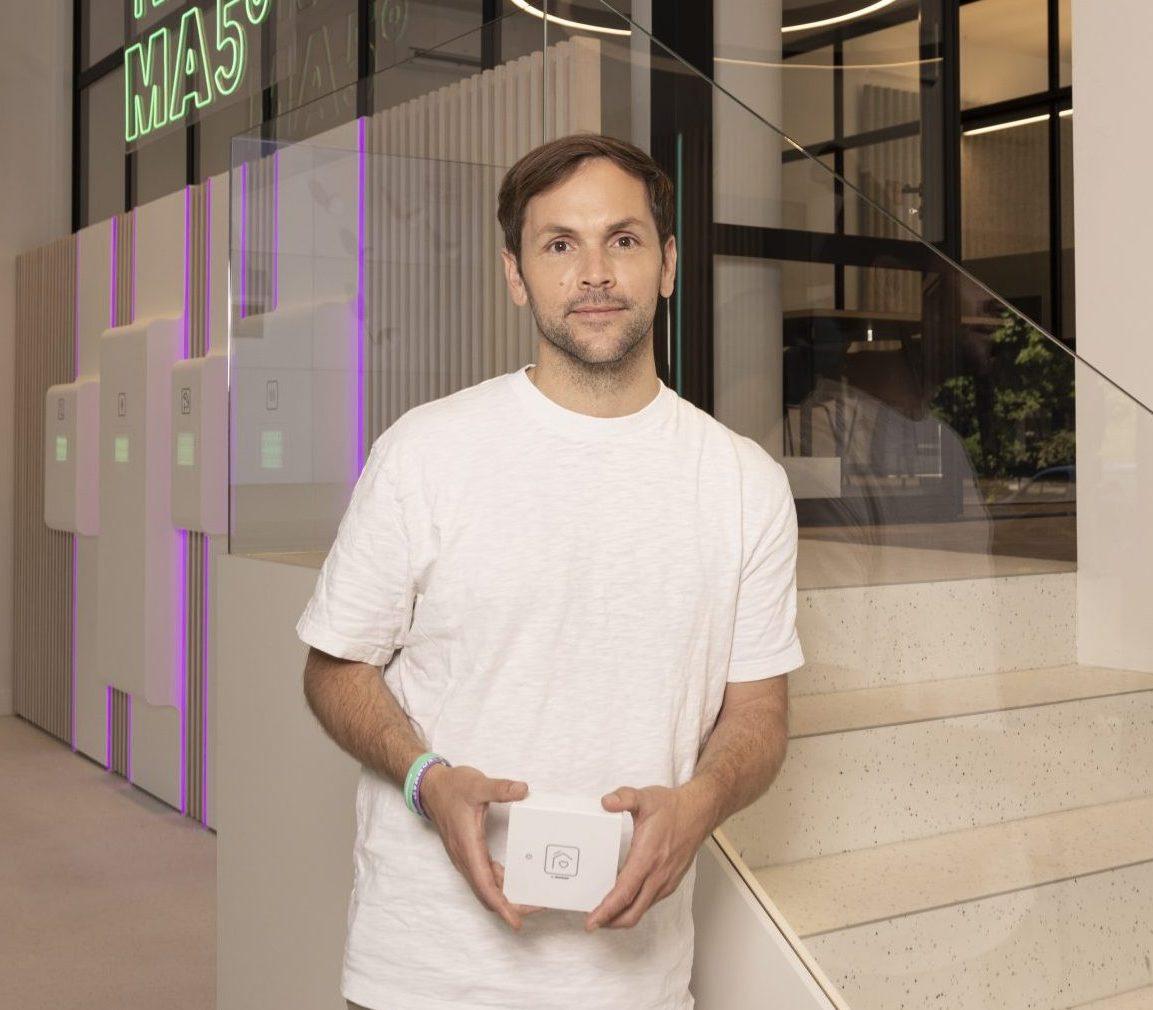
One major culprit is flexible plastic packaging, which has long been marketed as recyclable but, in reality, isn’t. “For years there has been an unquestioned claim that flexible plastic packaging is recyclable, but the fact is, it’s not, for plenty of reasons,” says Marcus Stein, CEO of German startup watttron.
The EU’s new Packaging and Packaging Waste Regulation (PPWR) aims to tackle this misconception head-on by requiring that all packaging in the EU market be genuinely recyclable by 2030.
Today, many everyday items are made with multilayer plastics, sometimes stacking up to 11 different materials, each designed to block moisture, oxygen or other contaminants. While highly effective at protecting products, these fused layers can’t be separated for recycling, locking them into a single-use lifecycle and generating mountains of unrecyclable waste.
The PPWR threatens mass disruption amongst manufacturers. But the regulation also offers an opportunity to startups developing solutions.
From multilayer to monomaterial
The alternative to multilayer materials are single-layer monomaterials. The most advanced monomaterials can match their competitors’ performance by offering the barrier properties (i.e. blocking water, oxygen, grease) needed to ensure product shelf life. But this solution also presents a hurdle: the chemical property of the entire, single layer of film is extremely vulnerable to being degraded — causing the entire product further breakdown — when heated to be sealed.
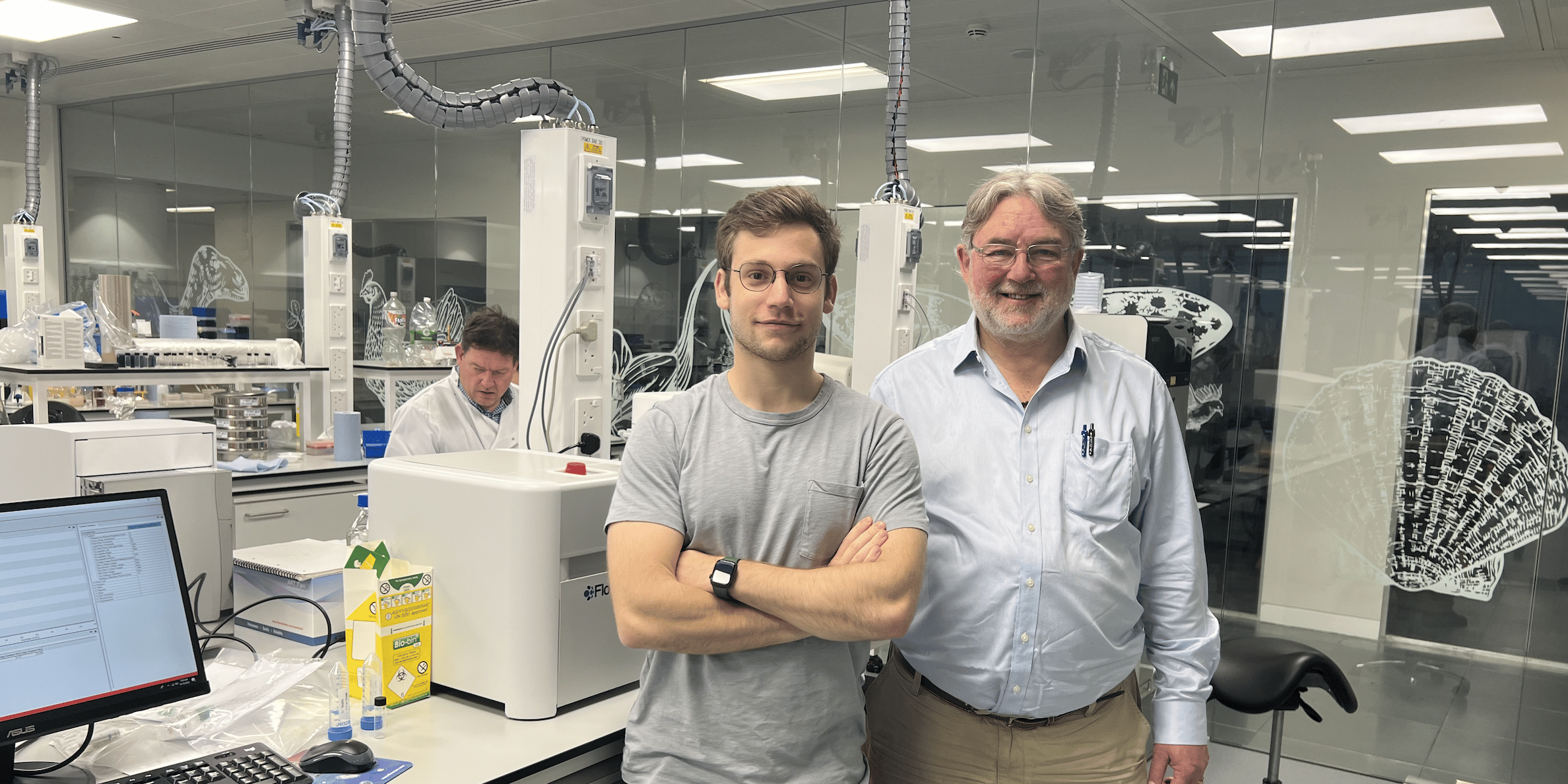
“The speed of the packaging line has to be reduced by 30-40% to reduce the tension on the plastic film, so we’re talking about producing 30-40% less per hour, per day,” says Guillaume Gras, investment director at bioeconomy-focused VC European Circular Bioeconomy Fund (ECBF). “That’s an unacceptable cost burden.”
It’s a win-win situation, bringing together sustainability and profitability making sustainable packaging no longer niche.
But where incumbents roll their eyes at this cost and compliance catastrophe, hardware startups like watttron see a market ripe for disruption.
Watttron’s pixel-level heating technology has created a precise and accurate temperature control that enables machines to seal monomaterials without compromise on control or speed. The company says it has raised €50m to date.
In fact, in some cases watttron’s equipment quickens production, Stein tells Sifted: “It’s a win-win situation, bringing together sustainability and profitability making sustainable packaging no longer niche.”
Whilst all eyes have been on the materials themselves, Stein’s attention to machinery has become a key enabler to a transition from multilayers to monomaterials.
“When we think about sustainability, everyone is thinking about materials but no one is looking at the machinery side of things,” he says. “That’s what we’re changing.”
Watttron isn’t the only startup poised to benefit from PPWR. Others are experimenting with compostable films made from seaweed or corn starch, while reuse-focused companies are building deposit-return platforms for takeaway packaging. AI-driven recycling technologies are emerging too, capable of detecting and sorting materials that were previously impossible to distinguish.
When we think about sustainability, everyone is thinking about materials but no one is looking at the machinery side of things.
If scaled, such innovations could strengthen Europe’s position in the circular economy.
“It means more recycled materials are available avoiding importing plastic from elsewhere because you can recycle the ones you’re already producing here,” says Gras.
From garbage to growth
Industry incumbents are taking note. Earlier this year, Multivac — the world’s biggest machine supplier — began white labelling watttron’s products.
“Companies like Multivac don’t in fact see us as a disruptor, they see us as part of their survival,” says Stein.
We’ve helped watttron build connections, for instance, to enter the Japanese market.
ECBF invested in watttron in early 2024, taking part in a €12m Series B round.
“On the business side, we’ve helped watttron build connections, for instance, to enter the Japanese market,” says Gras. “We’ve also supported them at the board level, nominating experts that can bring value and help them on their growth journey.”
The startup’s technology also has potential applications beyond packaging. Gras points to fields like single-use bioreactors for pharmaceuticals production or semiconductors in electronics — both requiring precise heat control. He gives the example of cellphones, which contain multiple semiconductors that must be tested across a wide range of temperatures.
“Watttron can make sure that the technology you’re using can really work under the conditions you demand.”