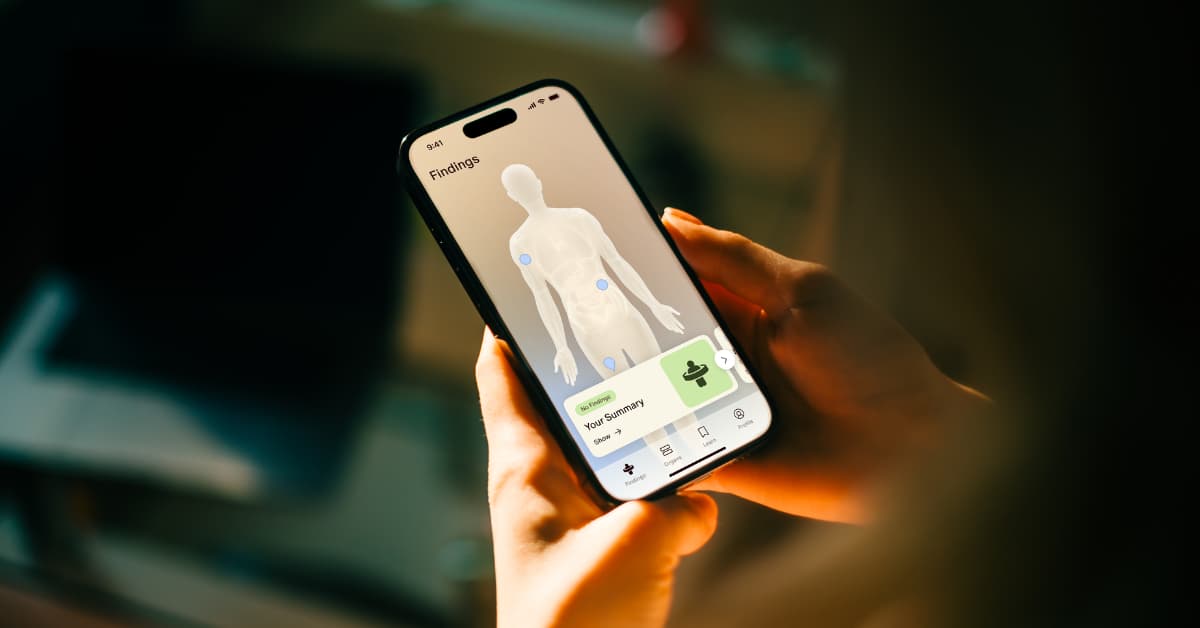
Being someone who’s keen to know what's going on inside my body, I monitor my health with a smart ring and have done numerous tests in the past five years, including a brain scan, full DNA analysis and numerous blood tests. A few weeks ago, I also did my second full body scan at the newly reopened Stockholm clinic of Neko Health, the preventative healthtech founded by serial entrepreneur Hjalmar Nilsonne and Spotify’s Daniel Ek. (Neko offered the scan for free.)
I’m far from a health freak, and I consume wine, red meat and even pick-and-mix sweets; I also use snus, the powdered tobacco in a pouch. Those life choices, however, are instantly visible in my latest scan, which showed worse results than the one I did three years ago.
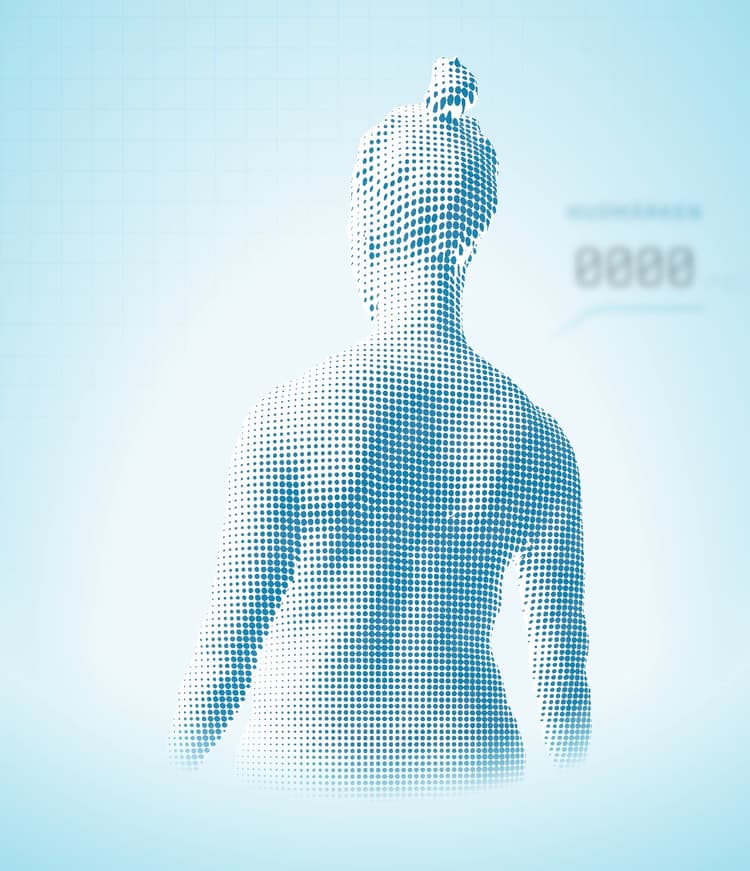
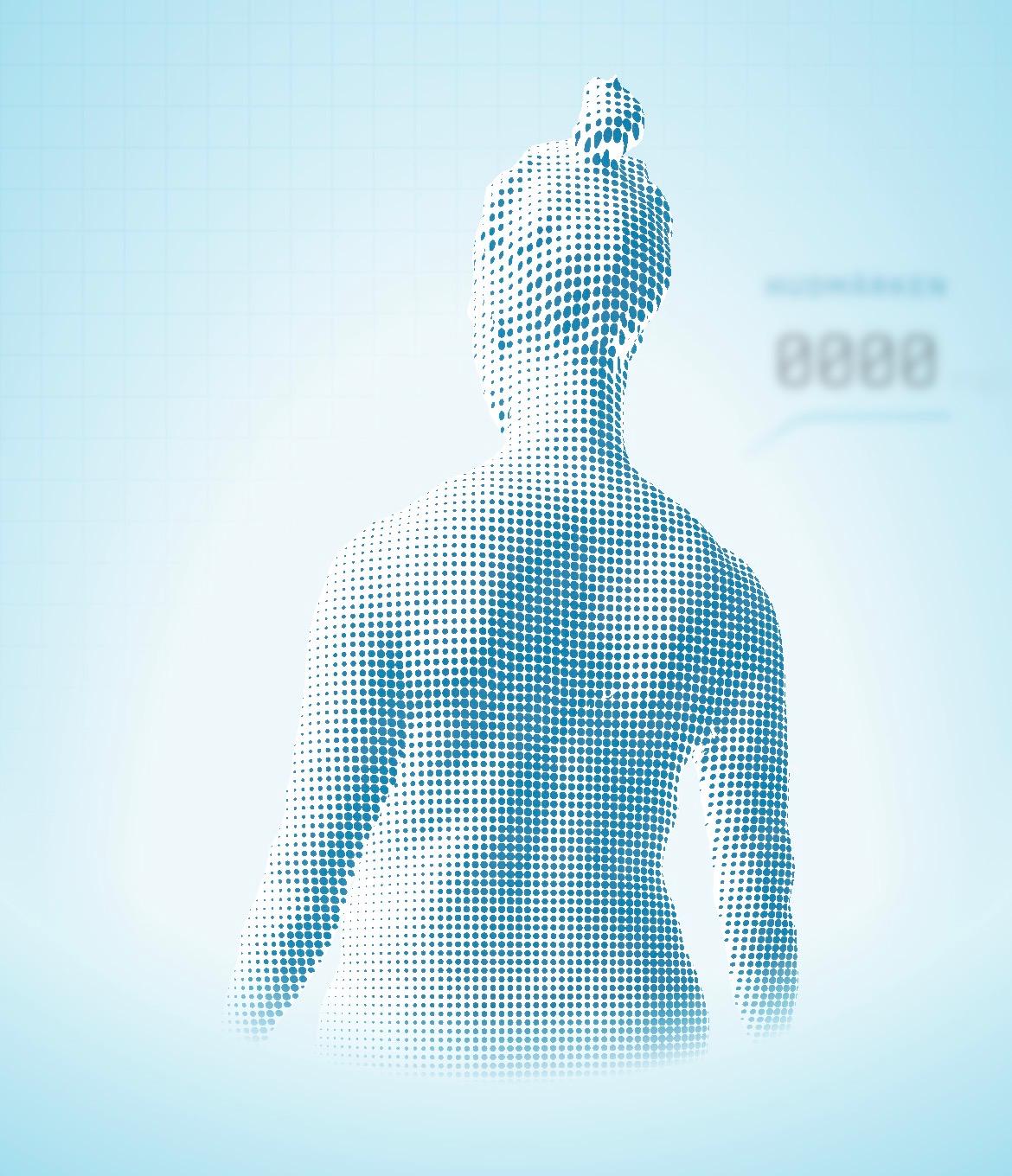
One thing made it all worse: the avatar that Neko produces of my body was as shocking then as it was this time around.
So what’s so bad about them? Even looking at myself in the mirror at my lowest point of self-esteem, I wouldn't be able to come up with an image as bad. The colours of the silhouette aren't the problem, but with so many cameras available, it's hard to understand why anyone would choose that angle (an oblique shot from below).
Last time, I compared the measurements provided in the app with my own measurements taken at home using a measuring tape, and the app was off by 8 cm around my waist. This time, no measurements were provided, but once again, I doubt the results are accurate.
It's what I imagine I could look like in 20 years (if I let myself go completely). Flappier skin, breasts down to my belly button and my butt non-existent. Even my semi-muscular arms and shoulders look soft and sloping.
After sending my sister a couple of screenshots of my avatar (anything to cheer each other up), she replies, “My god!” and adds, “That doesn't look like you.”
At the clinic, I ask the doctor to partially obscure my avatar, which is looming large on a big screen next to my results, which say my body is apparently two years younger than my actual age. The doctor says she’s seen avatars look a lot worse and that many people actually get fired up to change their behaviour when they see theirs.
Leaving my cynicism to the side for a moment, I can see why. After seeing the avatar, you have a choice: either completely change your lifestyle or give up.
Neko Health is obviously doing something well. Apart from opening its second clinic in Stockholm and soon launching in New York, it today announced its $700m Series C.
When sitting down with Nilsonne, I ask him about the need to add new features to get people to return year after year. Compared to my last scan, it has added additional blood tests and changed the way it tests blood circulation.
This year, Neko has also added wearables integration and body composition — an AI feature that calculates how much visceral fat you have around your internal organs (another feature that argues for a lifestyle makeover) — and although Nilsonne agrees that adding new features is important, he adds that Neko gets stickier over time, with or without new features.
He tells me that, on average, 80% of customers come back yearly. “If you tear that apart, you can see that it's lower retention from the first scan to the second scan, but from the second scan to the third scan it's higher,” he says. “Once people actually get what we are trying to do, they really stick with it, and they commit to this kind of new behaviour.”
And maybe he is right. Following the scan, I replaced the full-fat butter on my morning sandwich with avocado for almost a whole week. I also took the advice to push myself harder to build more muscles.
Read my full interview with Nilsonne here.