Driven by world-class research, academic strength and NHS collaborations, Scotland is positioning itself as a rising hub for AI healthtech and attracting growing interest from investors.
Edinburgh-based care-at-home platform Current Health was acquired by Best Buy for $400m in 2021, the second largest ever European healthcare exit at the time, while the Scottish Development International (SDI) reports 8% annual growth in AI healthtech, equating to around 200 companies who employ over 9k people.
The country’s push into this space reflects a wider global trend: healthcare systems everywhere are under pressure to cut costs, improve outcomes and harness data more effectively, making AI a critical tool.
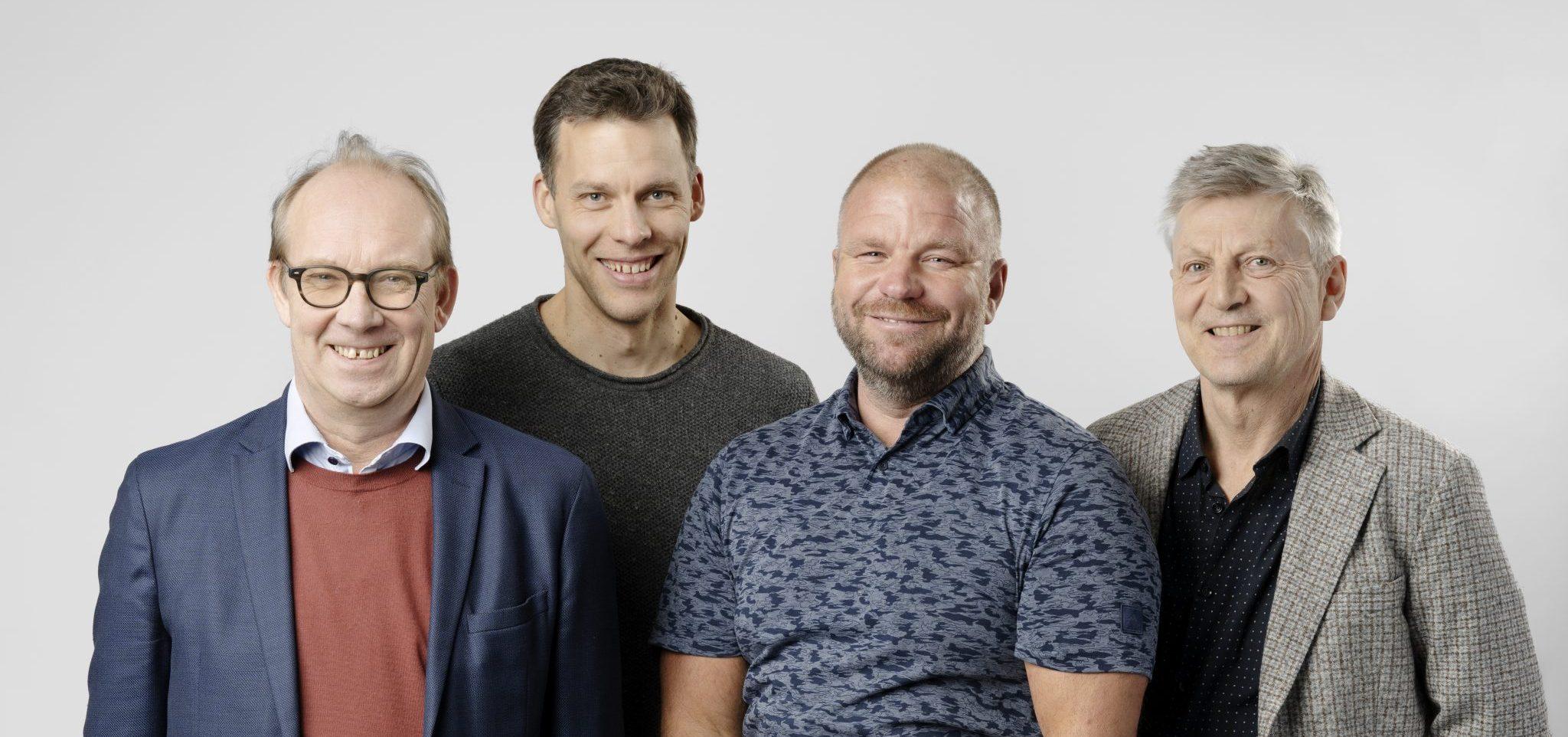
One of Scotland’s key advantages is its size. “Scotland is a quite small ecosystem, so you can get to know people very quickly, and the more you can create those interpersonal relationships and connectivity, the more you can push quite hard and quite fast,” says Steven Drost, executive vice chairman at ecosystem builder CodeBase who deliver the Scottish Government’s Techscaler programme aimed at boosting startup activity.
For startups like Glasgow-based cloud patient database tool Infix Support, founded by Dr Matthew Freer and a Techscaler member, that closeness translates to access.
“Scotland is a relatively small country, and I think our size allows us to be more agile and collaborative,” he says. “With 14 regional NHS health boards, that’s an incredible test bed for innovative technologies developed here.”
Infix has grown rapidly: sales have topped £1m, private investment has reached £750k and the team has expanded from two to 10 employees. It has also undertaken its first international trial in the UAE with the Middle East’s largest hospital group and will be fully rolled out across NHS Scotland next year.
Programmes powering founders
Behind the growing cluster of startups is a dense web of support schemes. Edinburgh University’s Venture Builder Incubator, for example, is helping academic founders commercialise their research and works in close partnership with Techscaler. Dr Shama Rahman, founder of AI neuroscience-design platform NeuroCreate, says the programme gave her crucial exposure to mentors and investors.
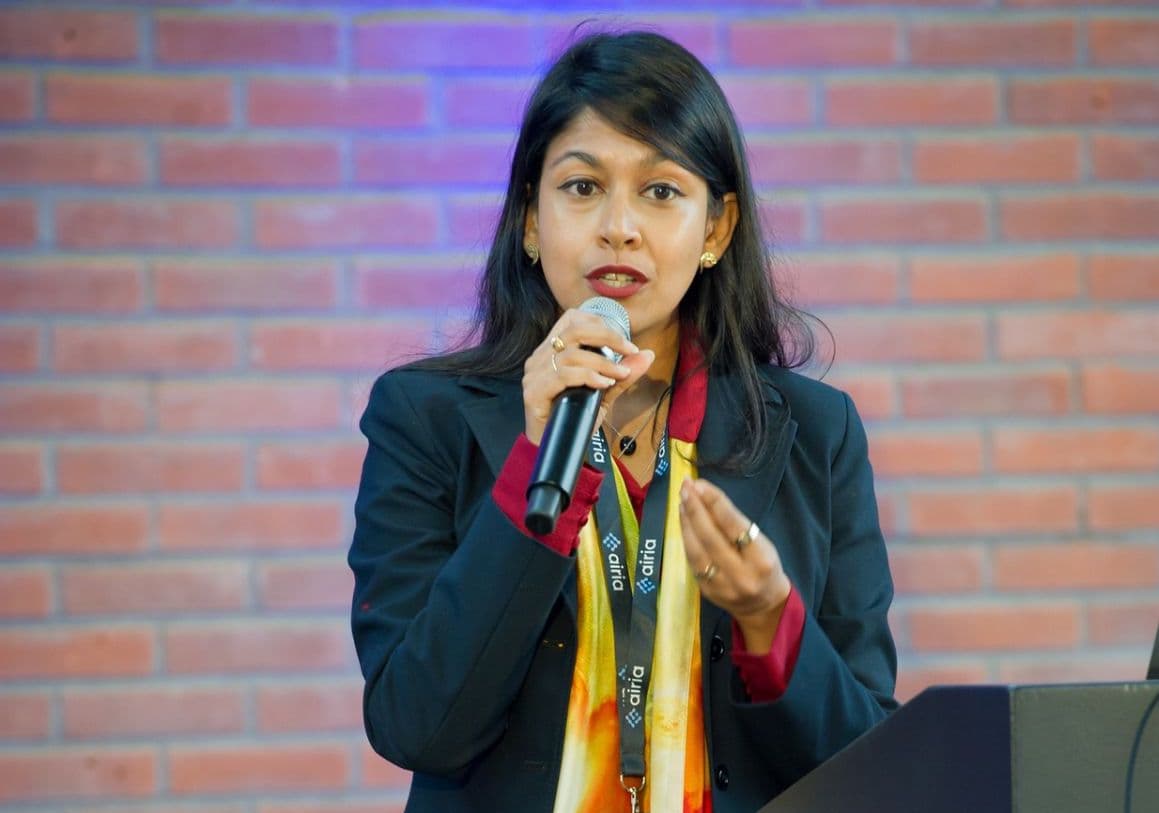
“We’re already working with Scottish developers, and once we raise our next round, I hope to recruit from the amazing Scottish AI talent pool,” she says.
She’s also tapped into Scottish Enterprise, Scotland’s national economic development agency.
“I’ve had some generous advice sessions from them and am intending to apply to some of their funding schemes once we have a few more ducks in a row,” she says.
Freer has also seen the benefits. “Agencies like Scottish Enterprise and SDI, in addition to CodeBase and Techscaler, offer great support for startups, and each of them have played important roles for Infix,” he says.
Another source of support popular with founders is the Techscaler AI Discovery initiative, a nine-week accelerator for postgraduate researchers working on AI-driven healthtech startups, which enables postgraduates to harness the latest AI technologies and build AI-enabled startups that can address some of the greatest challenges faced by the NHS.
Such funding streams ultimately provide a path for Scottish innovators to change the landscape of global health tech.
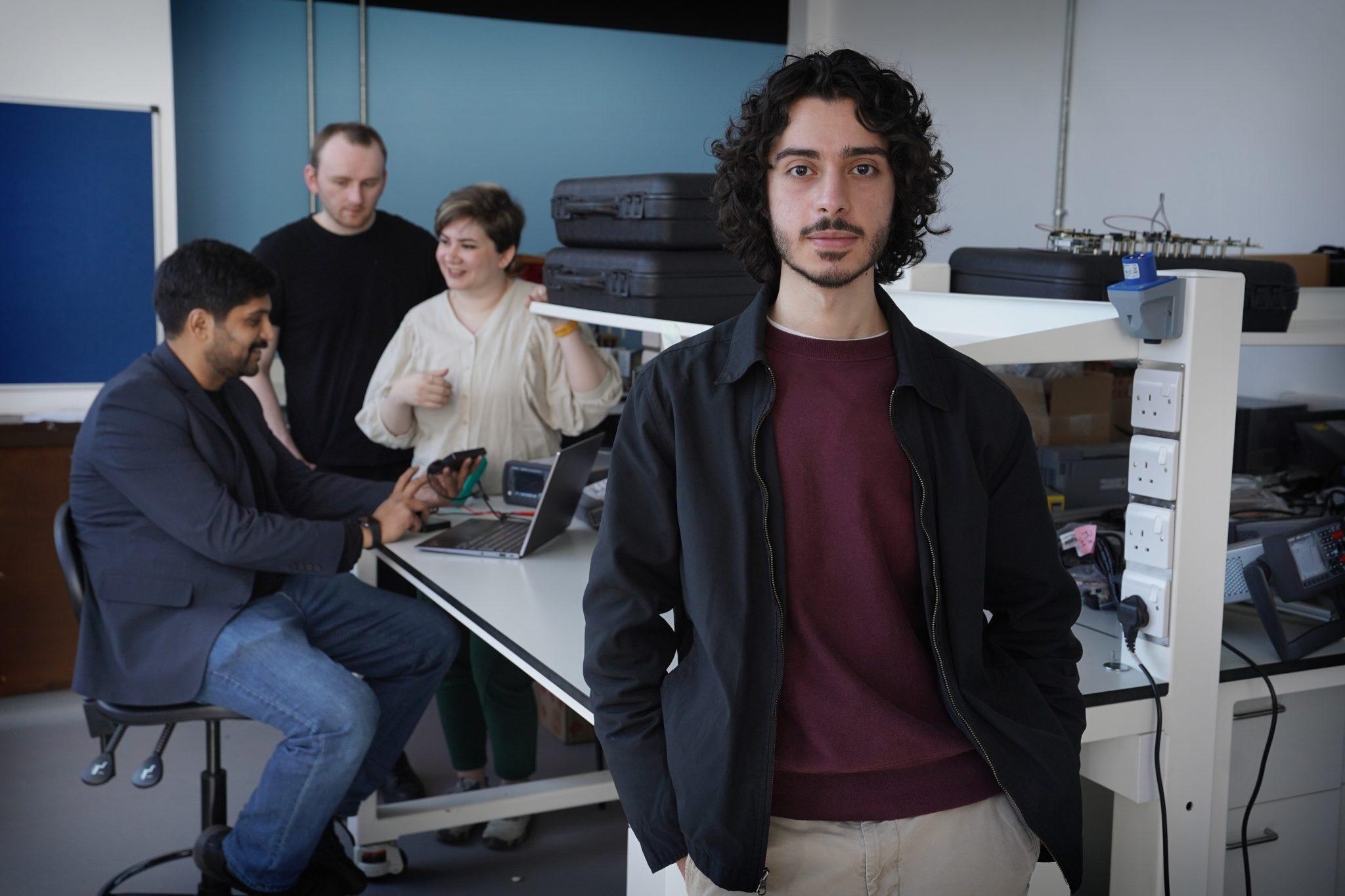
The accelerator gave Yaheya Shafti, a research assistant at the University of Glasgow building contactless health monitoring tools at XR Life Science, the entrepreneurial skills to match his engineering background.
“Participating in Techscaler's AI Discovery programme enabled us to become more business-minded from an early stage,” he says. “Such funding streams ultimately provide a path for Scottish innovators to change the landscape of global health tech.”
Rahman also joined Techscaler’s Silicon Valley programme earlier this year, one of 11 Scottish AI startups to make the trip, with Infix’s Freer having attended the inaugural Bay Area programme in 2024. Techscaler has launched similar programmes in Singapore and Japan.
“It certainly gave me the opportunity to understand the lay of the land across the pond when it comes to the AI and healthcare startup and investment scene,” says Rahman.
The power of alumni
The ecosystem also benefits from a growing pool of successful founders who are feeding back into the community.
According to Drost: “One thing that’s maybe different in Scotland than other ecosystems is that success here has created more mentors rather than investors. The Scottish way seems to be much more sweat equity and helping people.”
Universities play a central role in seeding that talent.
One thing that’s maybe different in Scotland than other ecosystems is that success here has created more mentors rather than investors.
“In Scotland, we've got world-class universities,” Drost added: “Universities are very good at creating consumer capital, smart people, platforming them, giving them opportunities, connecting them to things.”
For Shafti, that institutional support has been critical. “We have been able to get in touch with colleagues who are experts in various fields, such as IP protection, medical device regulations and market research,” he says. “The university provides many paths for funding and has allowed us to continue our work through the opportunities they provide.”
From Scotland to the world
While Scotland offers plenty of opportunities for founders, it also serves as a strong launchpad for scaling businesses into global markets.
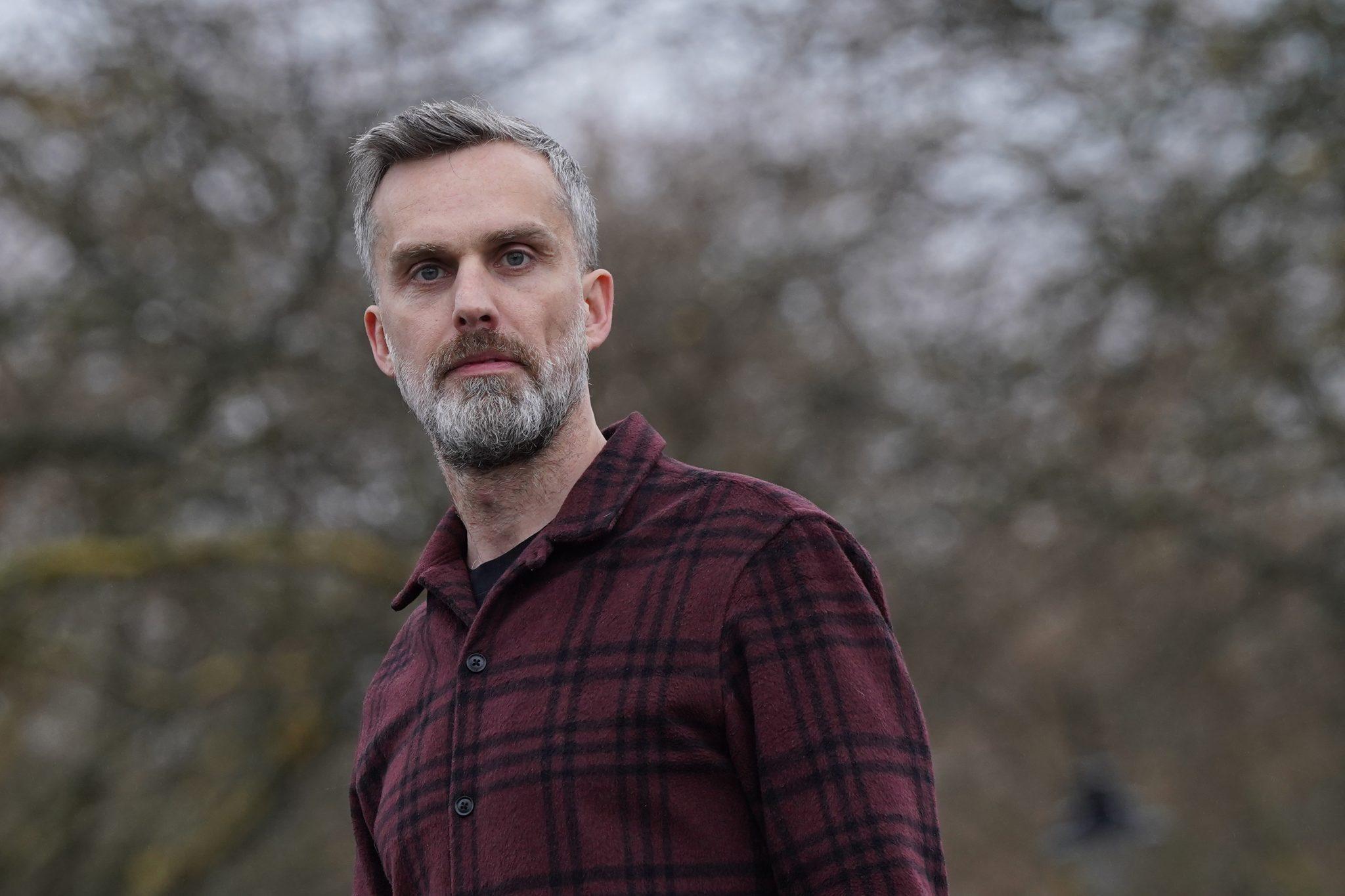
“We are obviously in close proximity to London and the investor community there, and we have good and increasing connectivity to Europe, North America, the Middle East and Asia,” says Freer.
Drost points to Scotland’s historic connections with US investors, built on the back of earlier medtech successes.
“We've got strong links to the East coast and West coast of the US,” he says. “One thing we're doing at CodeBase and the Techscaler programme is trying to expand those investment connections, not just towards the US but also towards Asia — so Singapore, Malaysia, Japan and China.”
We have good and increasing connectivity to Europe, North America, the Middle East and Asia.
For Shafti, this global reach is what makes the ecosystem so exciting.
“VCs here have international networks and provide support for expanding across the globe. The support offered here allows founders to learn about globalisation from experienced founders,” says Shafti. “The innovation coming from Scotland is no secret, and the global market is aware and ready to invest.”
Techcaler’s next international programmes land in Singapore and Silicon Valley later next month, as Scotland looks to create more pathways for innovation, collaboration and growth beyond its borders.