Sustainability and inclusivity remain among the key driving forces for many of Europe’s startups.
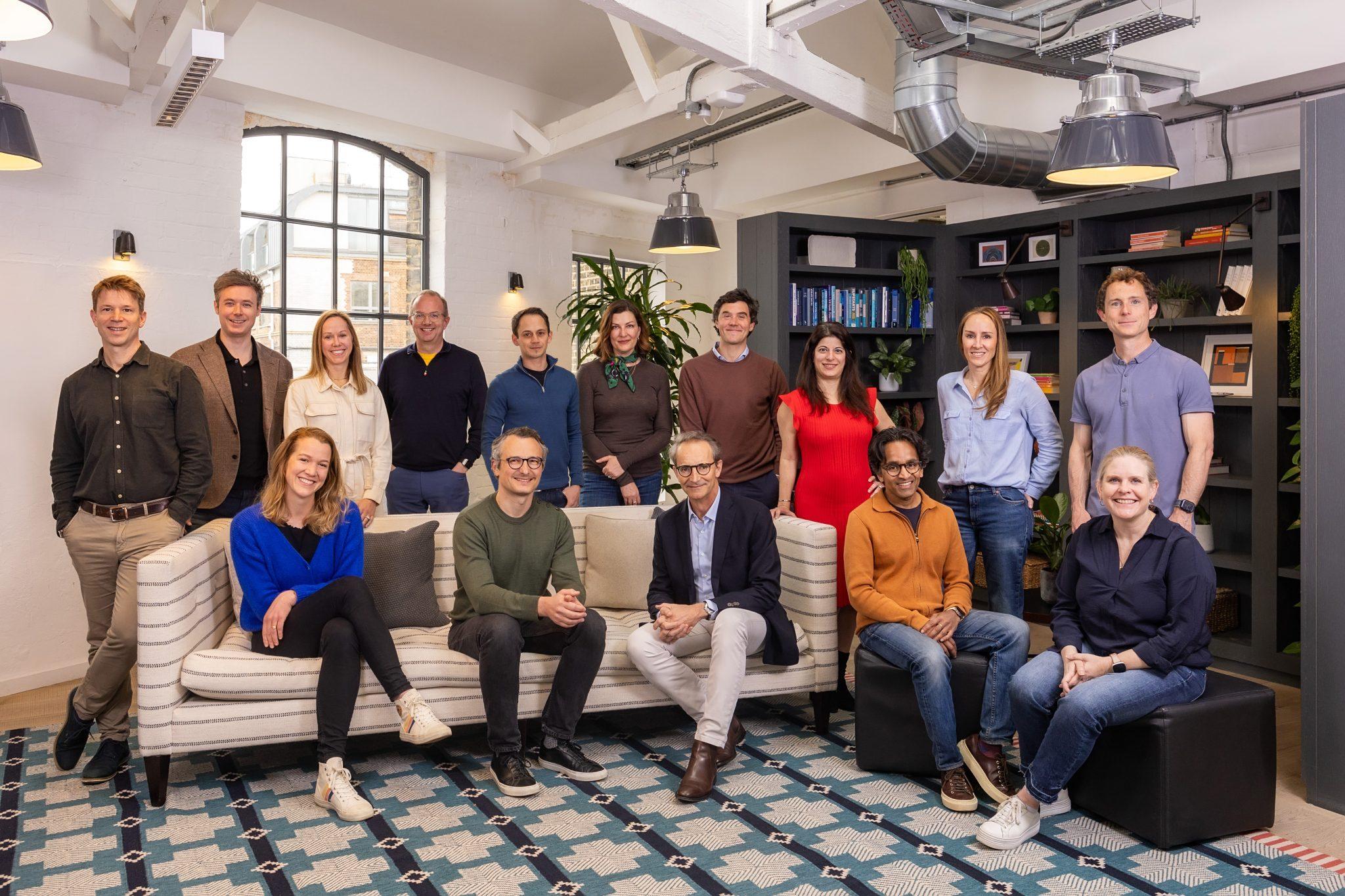
Morgan Stanley Inclusive & Sustainable Ventures (MSISV) has launched this year’s cohort of innovators, marking the largest to date. Its goal is to catalyse innovation by supporting organisations that are building solutions for a more equitable and sustainable future.
“We focus on identifying high-potential startups and nonprofits that are commercially viable and deeply committed to creating impact,” says Sanghamitra Karra, managing director, global co-head of MSISV. “Through capital, mentorship and strategic support, we aim to help these ventures scale responsibly.”
Karra says capital access remains one of the most persistent barriers for growth. By investing in early-stage entrepreneurs, she says Morgan Stanley is helping to unlock untapped potential.
“These founders often bring lived experience, unique insights and community-rooted solutions that are essential for building resilient and inclusive economies,” adds Karra.
The Lab
MSISV provides its London-based Lab cohort a cash investment of £250k, a five-month curated curriculum of mentorship and networking, office space for the duration of the programme and access to external advisors.
We look for founders who are coachable, resilient and deeply committed to their mission".
This year’s Lab cohort includes 14 startups with a focus on sustainable and inclusivity-focused missions in sectors spanning green packaging to medical equipment.
They include S.Lab, whose founders Julia Bialetska and Eugene Tomilin have produced biodegradable packaging from agricultural waste and mycelium, offering the same thermal insulation and water resistance as polystyrene but decomposing in 30 days.
There’s also InsideOut founded by Laura Stembridge, which is an AI-powered mental health platform. The platform’s AI coach, Remi, provides 24/7 conversational support, clinical-grade programmes, self-help tools and optional human therapy.
Compared to previous years, the 2025 applicant pool reported higher median revenues and capital raised, with average prior-year revenue at $300k and average capital raised being over $800k.
“Healthtech continues to be a vital area of innovation, especially post-pandemic,” says Karra. “This year’s cohort includes startups tackling everything from stem cell innovations to digital therapeutics. Supporting these startups enables better healthcare outcomes and helps address gaps in delivery and affordability.”
Karra notes how AI is reshaping every sector, and she’s seeing founders use it to drive efficiency, personalise services and unlock new capabilities.
One such example in this year’s cohort is Envisionit Deep AI, which enables healthcare providers to independently assess the accuracy of imaging AI models, track their performance after deployment and maintain compliance with global regulations.
“As investors, we’re increasingly focused on ensuring that ventures have the right governance, data ethics and transparency frameworks in place,” says Karra. “While we don’t require AI as a criterion, we do look closely at how it’s being used and whether it enhances the venture’s mission and impact.”
Karra’s advice for future startup applicants is to be clear about the problem you are solving and who you are solving it for.
“We look for founders who are coachable, resilient and deeply committed to their mission,” she says. “Strong applications articulate not just the problem and solution, but also the path to scale, the team’s unique strengths and how our programme can accelerate their journey.”
The Collaborative
The Inclusive & Sustainable Ventures programme continues to support emerging nonprofits alongside startups in its Collaborative cohort. The move was made in recognition of the scale and complexity of today’s challenges, which require more than just VC-backable solutions, with each participating nonprofit receiving a $250k grant.
There was also an emphasis on community-led approaches and partnerships.
“Nonprofits in the Collaborative will be part of a wider cohort of startups and organisations where we see significant potential for founders to collaborate and learn from one another,” says Myriam Ahmed, executive director, head of sustainability at MSISV.
“They will receive grant funding, access to a five-month curriculum tailored to their needs, mentorship from Morgan Stanley experts, and strategic introductions to funders and partners,” she adds. “Beyond resources, they join a vibrant community of changemakers, gaining visibility and the tools to scale their impact. This holistic support fuels growth and positive outcomes.”
LightEd Impact Foundation is one nonprofit organisation in this year’s cohort. The foundation is dedicated to turning waste into power and building climate-resilient communities.
“Our flagship innovation, the LightHouse Charging Station, is built from recycled plastic and powered by solar energy, providing clean, affordable and reliable energy access to underserved communities, small businesses and schools,” says Stanley Anigbogu, cofounder of LightEd. “Being selected feels like validation of the work our team and community partners have poured their hearts into.”
Another nonprofit is Caring Africa, which is building care infrastructure that Africa urgently requires. Its mission is to close the care gap, deliver safe and high-quality care for families, and create dignified, sustainable jobs for caregivers.
“With Morgan Stanley’s expertise, networks, and strategic guidance, we can scale our platform, deepen our policy impact, and expand our reach to more families, employers and governments,” says Blessing Oyeleye Adesiyan, Caring Africa’s founder and CEO. “This means more caregivers trained and verified, more families accessing reliable care and care being embedded into the economic agenda where it belongs.”
The final nonprofit is Pelebox, which has developed a network of smart lockers that reduce average waiting times for patients collecting repeat chronic medication at public clinics from over three hours to under 30 seconds.
“We are on a mission to develop, promote and scale inclusive technologies that solve challenges of access to quality healthcare in Southern Africa,” says Neo Hutiri, founder of Pelebox.
“Being part of the cohort represents an opportunity to be surrounded by other amazing organisations that are building with the same sense of urgency, intentionality and ambition for sustainable social and environmental impact in communities globally.”
Ahmed says there are similar threads through the Lab and Collaborative.
“Similar to the startup applicants, climate and healthcare were prominent sector themes in Collaborative applicants,” says Ahmed. “Strong applicants demonstrated a deep understanding of how to blend mission with operational rigour, presenting clear business plans, measurable outcomes and scalable models.
“There was also an emphasis on community-led approaches and partnerships, reflecting the importance of collaboration and locally grounded impact strategies that have the potential to scale regionally or globally.”
Learn more about Morgan Stanley Inclusive & Sustainable Ventures and how to apply here.